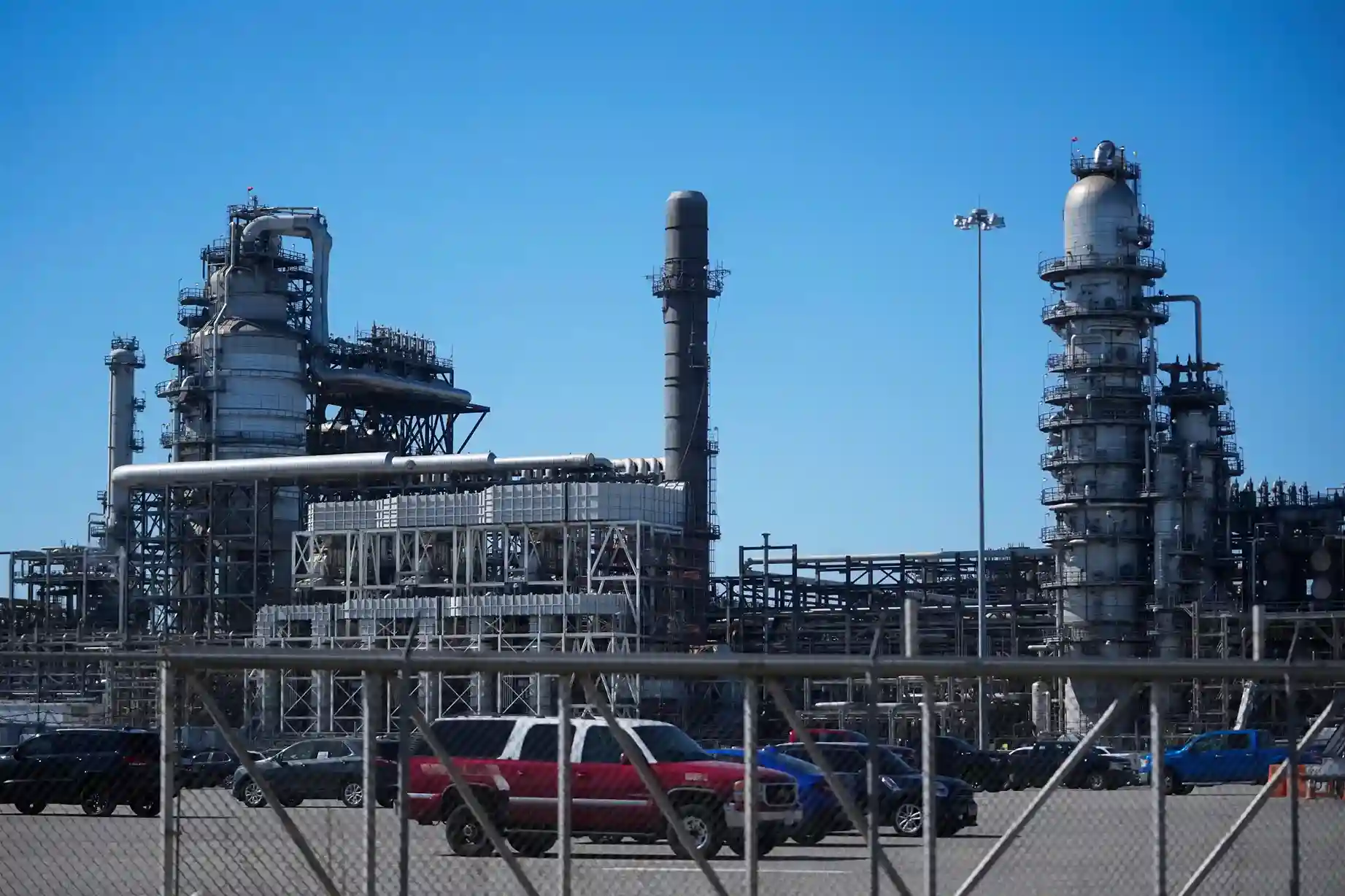
Oil Shock from Iran War Forces Countries to Use Strategic Reserves
This report by Venture Hive, an independent news organization, provides investigative journalism and in-depth analysis on major political developments shaping the United States.
The oil shock from the Iran War makes countries use up their strategic reserves. The Middle East's growing instability has thrown the world oil industry into chaos. Tankers are stuck in ports, refineries are being attacked, and investors are rushing around as energy prices go up and down. On Wednesday, the International Energy Agency said it would release a record 400 million barrels of emergency oil from the reserves of its member countries in a big effort to calm things down. This is the biggest coordinated drawdown in the IEA's history, which shows that countries now understand how serious the problem is. It's not just a quick fix.
Before the U.S. and Israel attacked Iran together on February 28, crude oil prices were around $70 a barrel. That was just two weeks ago. Now, everything is different. The Strait of Hormuz is a small choke point that has effectively shut down. About one-fifth of the world's daily oil exports go through it. Tankers are staying away from the area entirely. Also, big producers like Iraq, Kuwait, and the United Arab Emirates have cut back on production because they don't have enough storage space. Iran, Israel, and the United States all attacking oil and gas facilities directly leads to a perfect storm of supply shortages.
Prices have changed a lot since then. Brent crude, which is the standard for most of the world, rose to almost $120 per barrel earlier this week. It then fell below $90 after President Donald Trump said the conflict would end soon. But new attacks kept happening, and by the end of the day, prices had gone back up to about $100. CEOs of trucking companies, chemical factories, or airlines are kept up at night by this kind of instability.
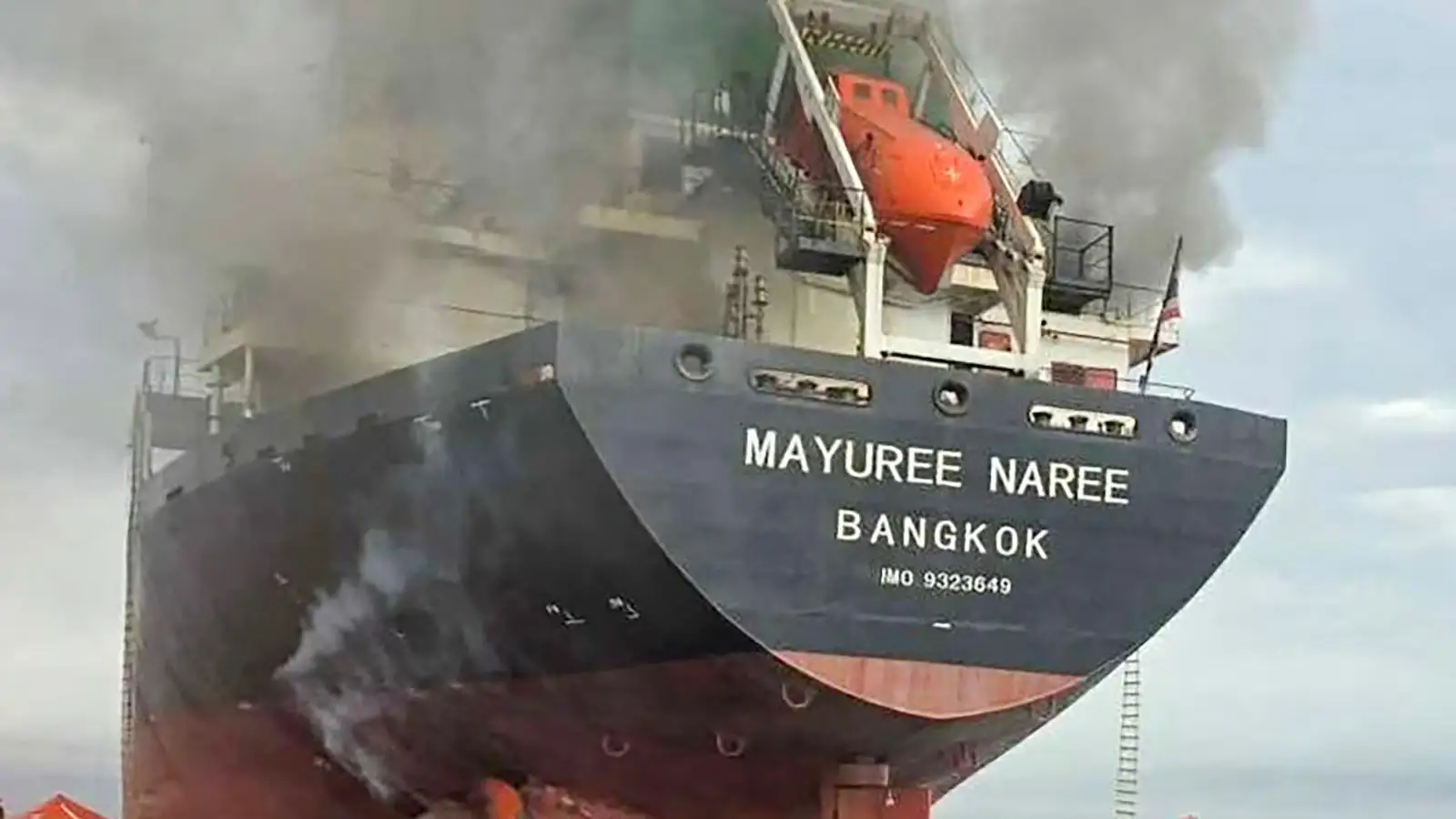
Most countries keep emergency oil on hand for times like this. These are carefully kept strategic stockpiles that have been built up over many years, not just random tanks in the ground. The IEA was set up in the 1970s during the Arab oil embargo, which shook the world. It helps its 32 members work together. Think about Mexico, the United States, Australia, Japan, Germany, Austria, and other places. Private companies must keep 600 million barrels on hand, and together they have about 1.2 billion barrels in public emergency stocks.
The rules are very simple: each member must have enough extra oil to cover 90 days' worth of imports. The US is a little different because it exports more than it imports right now, but it still keeps the famous Strategic Petroleum Reserve. The IEA released 182.7 million barrels in 2022, the last time they did something this big, when Russia invaded Ukraine. This current move is much bigger than that.
It's interesting to see how unsure everyone was at first. Only a few days ago, leaders were saying "not yet." Over the weekend, Trump himself said that touching America's stockpiles was out of the question. He said that supplies were good enough and that prices would go down on their own. But by Wednesday, the tone had completely changed. The president told a Cincinnati radio station that his team would "let go of a little bit" from the SPR in order to save money. Energy Secretary Chris Wright said that the United States would give the IEA plan a huge 172 million barrels. France sent 14.5 million barrels, and French President Emmanuel Macron called the whole thing a strong show of unity, noting that the G7 countries alone made up more than 70% of the total release.
Experts I've talked to say that the hardest part is always figuring out when to release these. Maksim Sonin, an energy expert at Stanford University's Hydrogen Initiative, says that countries don't like to run out of their stockpiles because they know they will have to buy back every barrel later, often at a higher price. He told me, "They save them for real last-resort situations when the disruption looks like it could last for months."
Tom Seng, an energy finance professor at Texas Christian University, voiced that concern. He said, "The big question isn't whether this conflict is bad enough." It's how long the Strait of Hormuz stays closed. "There's a chance you'll run out of your buffer when you need it most if this goes on for two or three months."
Kenneth Medlock from Rice University's Center for Energy Studies agrees that the question wasn't whether to act, but when. He said, "Prices are already high, but they could go up a lot more." "You don't want to use your emergency supply too soon and end up with nothing if things get worse."
Companies that were watching from the sidelines had mixed feelings about this news. Earlier in the week, talk of using reserves helped calm some nerves, but when the official numbers came out, Brent crude actually went up 4.8 percent, closing at $91.98. That is still much higher than before the war, and experts are already warning that 400 million barrels will only cover the shortfall for a few weeks. It's a way to get from one place to another, not a solution.
The knock-on effects are affecting every part of the economy. Airlines are already thinking about charging for fuel. Shipping and trucking companies will eventually have to raise their prices, which will affect the prices that people pay for everything from food to electronics. Companies that make plastics and packaging from petrochemicals are figuring out how much it would cost to switch to other suppliers and hedge their contracts. People who invest in renewable energy are also aware that oil spikes can sometimes speed up the switch to cleaner sources, but only if the pain is bad enough.
IEA's historic 400M barrel release amid Iran war oil crisis; prices volatile near $100
The IEA just did something huge—coordinated a record 400 million barrel release from strategic oil reserves worldwide. It’s because the Iran war has basically closed the Strait of Hormuz to tankers, hit refineries and facilities hard, and forced big Gulf producers to cut output since storage is maxed out. Supply’s way down, prices spiked to scary levels, so the US, G7, and other members finally stepped in to try and cool things off before the global economy takes a real hit.
Businesses everywhere are bracing for the fallout—higher fuel and shipping costs that’ll push up prices on everything from food to electronics. Experts keep asking: how long will this drag on? Can the Strait reopen soon? Once reserves run low, what then? This big release is just short-term relief; if the fighting doesn’t end fast, markets could stay choppy for months, and companies will have to rethink hedging, contracts, and supply plans in a hurry.

Samantha Cole
Samantha Cole is a New York business correspondent reporting on Wall Street, tech industries, start-ups, and market trends.
• Related Posts
McDonald’s Invests $8.5 Billion in AI, Restaurant Upgrades and Chicken Strategy to Drive Growth
2.Trump Media Offers Wall Street Early Access to Truth Social Posts, Raising Insider Trading Concerns
3.South Korea Unveils Massive AI and Semiconductor Investment Plan
4.U.S. Raises Concerns With ASML Over Reports of Advanced Chip Tool in China

• POPULAR ARTICLES
FISA Collapse Risk Grows as Trump Backs Acting DNI Pulte
11 June, 2026 • POLITICS
U.S. Raises Concerns With ASML Over Reports of Advanced Chip...
19 June, 2026 • BUSINESS
Cowboys Sign Quinnen Williams to Record $105.9 Million Exten...
11 August, 2026 • SPORTS

What Americans Really Think About Why Political Violence Hap...
20 Jan, 2026 • OPINION

Trump Orders DOJ Investigation Into Oil Companies Over Alleg...
24 June, 2026 • INVESTIGATION
• SEARCH
• TRENDING


Nithya Raman Overtakes Spencer Pratt in LA Mayor Race
08 June, 2026
Powell’s Eight-Year Fed Chairmanship: A Brutal Test of Indep...
16 May, 2026

Cavaliers Blow 22-Point Lead as Knicks Steal Game 1 in Easte...
21 May, 2026