What Americans Really Think About Why Political Violence Happens
This report by Venture Hive, an independent news organization, provides investigative journalism and in-depth analysis on major political developments shaping the United States.
This article explains why Americans believe political violence is rising and what they think is driving it. Understanding what Americans really think about political violence helps explain why the issue feels more urgent today. Political violence is rising in public concern as Americans debate why tensions feel higher than in previous years. Many Americans say the rising threat of political violence reflects deeper problems in leadership, technology, and public trust.
Let's get into the details. The survey, which just came out, asked more than 5,500 people from all over the country questions online from late November to early December of last year. With a margin of error of about 1.6 percentage points, it gives a good idea of how people feel. A whopping 67% of people who answered say that politicians not speaking out against aggressive speech from their own supporters is a big reason for violence in society. That's the main reason people are blaming them. 64% of people say that AI spreads false or misleading information on social media sites. Then, 61% point to public displays of hate, like waving Nazi flags or other extreme symbols. About half of the people who were asked—about 50%—said that the harsh language used in politics and the ease with which guns can be bought are to blame.
PRRI CEO Melissa Deckman made it clear: this data shows that Americans want their leaders to speak out against violence in a loud and clear way. She is completely correct. People are saying, "Hey, if you're in charge, act like it and stop the hate before it turns into action." Deckman thinks this is a big warning sign when it comes to AI. People aren't just scared in general; they're really worried about how AI can make up lies that hurt public debate. A lot of people now see AI as a possible monster that makes things worse in society, not just a cool tech toy. People are starting to realize that deepfakes, bots that spread false information, and algorithms that push extreme content are all real.
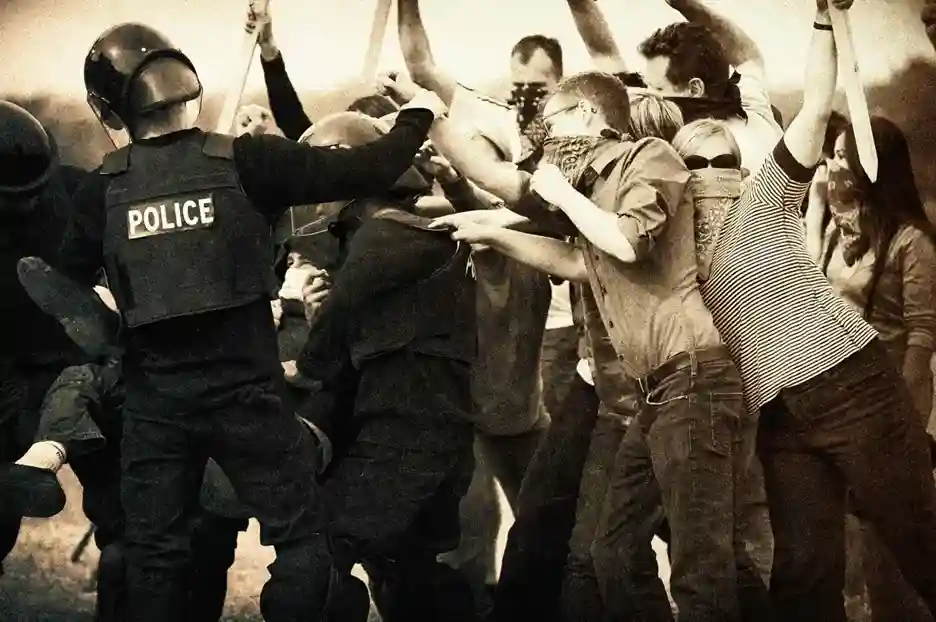
PRRI has already spoken about this issue. They've been watching what people think about violence and its causes for a long time, and the trends are clear. In 2019, fewer people who answered the survey thought that violent political talk led to real bloodshed. But that link is stronger today, especially among Republicans. It shows that the way we see hostility in the real world has changed because politics has become more hostile and personal. Deckman believes this means that Americans believe the way we talk about politics makes people more likely to get mad. And really, who can disagree? It's not hard to see how things get worse when fights turn into yelling matches with threats.
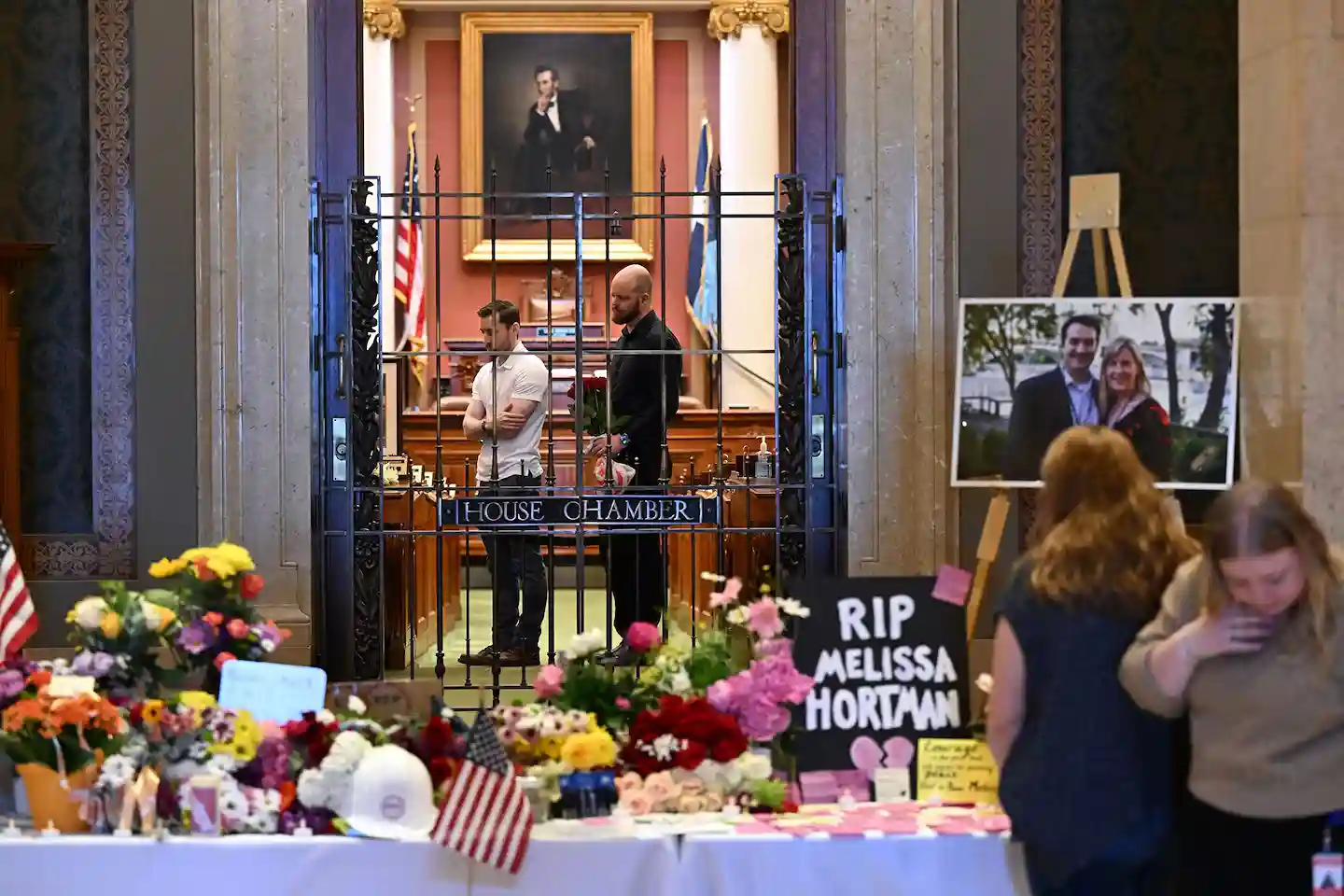
Political violence isn't new; it's been getting worse for a while now. Do you remember when people stormed the Capitol on January 6, 2021? Five people died that day of chaos, which shook the whole country. During the 2024 presidential race, former President Donald Trump avoided two attempts on his life. Last year, we saw terrible things happen, like the murders of Minnesota state senator Melissa Hortman, a Democrat, and Charlie Kirk, a conservative icon. It's clear that both sides are getting threats, especially since Pennsylvania Governor Josh Shapiro's house was set on fire. These things not only make the news, but they also start a web of lies and conspiracies that make things worse, which is a vicious cycle.
It's also interesting that the landscape of domestic terrorism is changing. The Center for Strategic and International Studies says that from January to late September of last year, there were more cases of left-wing terrorism than far-right terrorism for the first time in 30 years. That's different from the old story, which said that right-wing extremism was always in the news. It shows that violence isn't just a problem for one ideology; it's a problem for everyone on the political spectrum.
But this is where it really splits: who to blame. Most Americans don't think it's okay to use violence to get what they want politically, like hitting someone, doxxing them (making their private information public to harass them), or even killing them. A lot of people say no way, especially when it comes to doing things that hurt other people. But when asked who is mostly to blame for the violence we do see, partisans stick to their guns. Democrats mostly blame Republicans and right-wing groups, while Republicans blame Democrats and left-wing groups. Independents? They are a little more balanced, but they still think right-wing groups are a bigger problem by about 10 points. Deckman is right when she says these partisan gaps are "stark." It's like two separate worlds are coming together.
Age is also a factor. Most people over 50 don't like violence very much. Most people don't think it's okay to kill a political opponent or share their private information. But things get less clear when you look at people under 30. A smaller majority is against it, which is in line with other polls, like one from the Harvard Kennedy School last November. About 40% of people aged 18 to 29 said that political violence might be okay in some cases. What makes them different? People of different ages may have been radicalized online, or they may be angry with institutions that seem broken. Young people have lived through a time of school shootings, echo chambers on social media, and a political deadlock that never seems to end. This could have made them feel hopeless, which made them more likely to accept extremes.
Religion makes it even more complicated. Not all Christians agree on this. Half of Christians of color say that most political violence is caused by right-wing groups. But 54% of White Christians say it's left-wing groups that are to blame. It's not surprising that there is a split, since White Christians make up most of the Republican Party and only about 23% of the Democratic Party. Faith changes how we see the world, and when people are already divided, it makes those divisions even bigger. Deckman says this is in line with how people usually vote, but it also shows how identity affects blame.
There is one good thing in all this bad news: Americans still value the right to protest. 68% of the people who answered PRRI's survey agreed that when people protest against unfair treatment by the government, it always makes the country better. That's more than what they wanted in 2015. It's a tribute to the First Amendment, and Deckman makes it clear that not only is protesting legal, but a lot of people agree with it. There have been a lot of problems between protesters and federal officials in Minneapolis lately, so this is a good time for this to happen. Hold on, President Trump? In 2026? If that's the date, they've even talked about using the Insurrection Act to get tough. We're blaming technology like AI for spreading false information, politicians for not stopping it, and hate symbols for letting people act out. Guns and mean things to say aren't far behind. But even though people are pointing fingers at each other, everyone agrees that violence is wrong and that protest is strong. It's a call for leaders to set a good example and for society to deal with how technology is changing our lives.
Why AI Misinformation and Partisan Blame Are Fueling Fears of Political Violence
The PRRI study found that people are more worried about politicians who don't want to speak out against lying and who get too much help from their followers. People think that these things are more likely to cause violence than guns and heated political debates. They can't agree on who is to blame because they don't agree on politics. People on the left read news from the right, and people on the right read news from the left. Young people are more likely to hurt other people when things are really bad. People may feel this way because they don't trust the government and see more and more extreme ideas online. When people don't agree, it's harder to figure out who's to blame. This shows that people in the US are becoming less and less similar to each other.
A lot of people still like nonviolent protests, even when things are really bad. This is great for democracy.
Jonathan Pierce
Jonathan Pierce is an opinion columnist from Boston focusing on democracy, civic institutions, and U.S. political identity.
• Related Posts
• Preview Post
No previous post
• POPULAR ARTICLES
FISA Collapse Risk Grows as Trump Backs Acting DNI Pulte
11 June, 2026 • POLITICS
U.S. Raises Concerns With ASML Over Reports of Advanced Chip...
19 June, 2026 • BUSINESS

Cowboys Sign Quinnen Williams to Record $105.9 Million Exten...
11 August, 2026 • SPORTS
What Americans Really Think About Why Political Violence Hap...
20 Jan, 2026 • OPINION
Trump Orders DOJ Investigation Into Oil Companies Over Alleg...
24 June, 2026 • INVESTIGATION
• SEARCH
• TRENDING
Nithya Raman Overtakes Spencer Pratt in LA Mayor Race
08 June, 2026
Powell’s Eight-Year Fed Chairmanship: A Brutal Test of Indep...
16 May, 2026
Cavaliers Blow 22-Point Lead as Knicks Steal Game 1 in Easte...
21 May, 2026