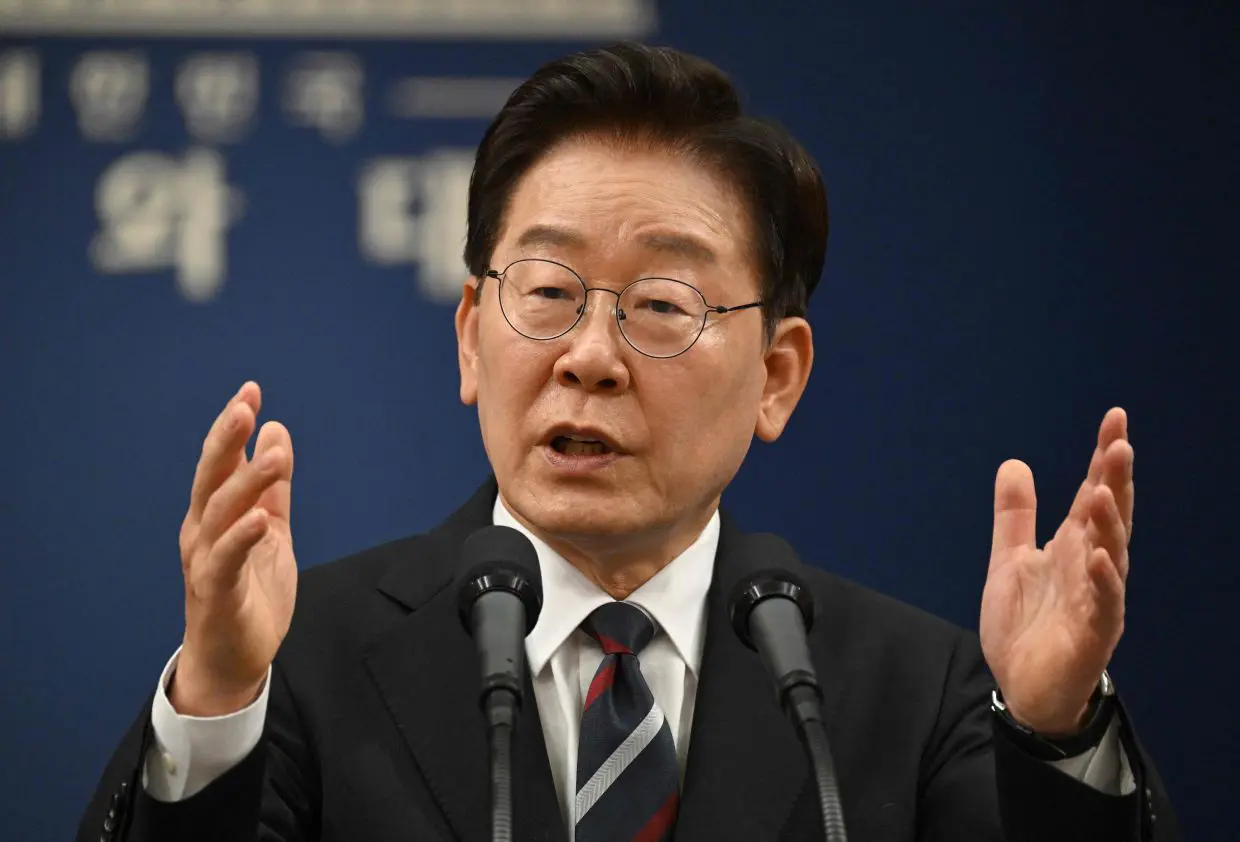
South Korea Unveils Massive AI and Semiconductor Investment Plan
This report by Venture Hive, an independent news organization, provides investigative journalism and in-depth analysis on major political developments shaping the United States.
South Korean President Lee Jae Myung unveiled a sweeping plan on Thursday to transform the nation’s semiconductor and artificial intelligence industries, promising an investment that could surpass $650 billion over the coming years. At the heart of the initiative is a new tech hub in the southwest, targeting cities such as Gwangju and the wider South Jeolla province—a region often overshadowed by Seoul’s economic dominance.
Lee framed the announcement as a “national survival strategy,” emphasizing that the projects are about more than chips and data centers. “We are building a future where South Korea leads in technology, while also giving opportunities to regions long left behind,” he said. For local residents, the announcement brought a mix of excitement and anticipation, as long-standing economic disparities are set to be addressed with high-tech jobs, infrastructure, and training programs.
The government is counting on South Korea’s industrial giants to drive the plan. Samsung Electronics and SK Hynix, global leaders in memory chips, are expected to spearhead major expansions in semiconductor fabrication and AI technologies. LG Electronics, HD Hyundai Robotics, Korea Electric Power Corp, and Korea Water Resources Corp are also slated to play key roles.
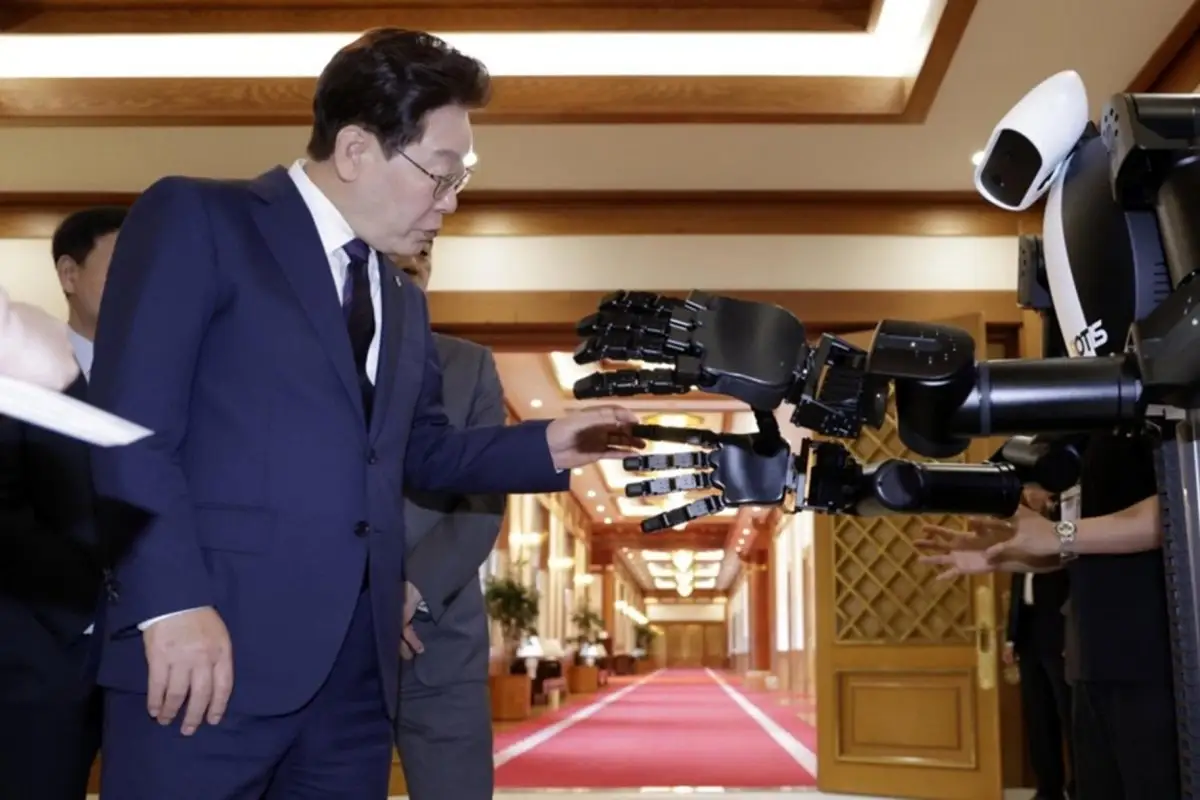
Officials said the government will provide extensive support, including infrastructure, power, water, land allocation, workforce training, and housing. “This is not just about building factories,” Lee said. “It’s about creating ecosystems where innovation, talent, and investment can thrive together.” Local officials in Gwangju have already begun coordinating logistics and training initiatives to ensure the region can accommodate the influx of workers and industrial activity.
The southwest hub is designed to ease the concentration of high-tech industries in Seoul, creating a more balanced national industrial footprint. But experts warn the project’s scale will test resources and logistics. Semiconductor fabrication requires massive energy and water inputs, highly specialized suppliers, and a skilled workforce—factors that could slow initial progress.
The vision is impressive, but executing at this scale outside the capital will be a serious challenge,” said Kim Dong-hyun, an industry analyst in Seoul. “It’s a bold move to decentralize the industry, but the benefits could be enormous if done correctly.”
Financial markets responded quickly to the announcement. South Korean construction and engineering stocks jumped, reflecting investor optimism about new infrastructure spending.
Cement producers saw gains of 7–15%, while chipmakers like Samsung and SK Hynix remained relatively steady, weighed down by global tech volatility. Opposition politicians attacked the plan, questioning its political motivation and pointing out that Lee is strong in the southwest in elections. Observers warned that while the initiative could raise South Korea’s global standing in AI and semiconductor production, execution risks — from resource constraints to labor shortages — will be key.
The initiative signals South Korea’s determination to remain a major player in the global AI and semiconductor race. With investment from companies and the government, the country aims to boost its technological prowess and make a splash in the emerging AI tech.
For the residents of Gwangju and surrounding provinces, the announcement is more than economic strategy—it’s a promise of jobs, education, and the chance to participate in a high-tech future. “It feels like we’re finally part of the national spotlight,” said Park Min-ji, a local university student studying engineering. “This is our chance to build careers here instead of moving to Seoul.”
President Lee’s vision sets the stage for South Korea to not just compete, but potentially lead, in the rapidly evolving world of AI chip production. If executed well, the initiative could change the face of the country's economy and the regional terrain for decades to come.
South Korea Unveils $650 Billion AI and Semiconductor Plan
President Lee Jae Myung unveiled a sweeping plan to transform the nation’s semiconductor and AI industries with investments exceeding $650 billion. The centerpiece is a new tech hub in the southwest region including Gwangju.
Samsung, SK Hynix, and other major firms are expected to lead the initiative, supported by government infrastructure and training programs to decentralize high-tech industries from Seoul.

Samantha Cole
Samantha Cole is a New York business correspondent reporting on Wall Street, tech industries, start-ups, and market trends.
• Related Posts
McDonald’s Invests $8.5 Billion in AI, Restaurant Upgrades and Chicken Strategy to Drive Growth
2.Trump Media Offers Wall Street Early Access to Truth Social Posts, Raising Insider Trading Concerns
3.U.S. Raises Concerns With ASML Over Reports of Advanced Chip Tool in China
4.Powell’s Eight-Year Fed Chairmanship: A Brutal Test of Independence and Inflation Control
• POPULAR ARTICLES
FISA Collapse Risk Grows as Trump Backs Acting DNI Pulte
11 June, 2026 • POLITICS

U.S. Raises Concerns With ASML Over Reports of Advanced Chip...
19 June, 2026 • BUSINESS
Cowboys Sign Quinnen Williams to Record $105.9 Million Exten...
11 August, 2026 • SPORTS

What Americans Really Think About Why Political Violence Hap...
20 Jan, 2026 • OPINION

Trump Orders DOJ Investigation Into Oil Companies Over Alleg...
24 June, 2026 • INVESTIGATION

• SEARCH
• TRENDING


Nithya Raman Overtakes Spencer Pratt in LA Mayor Race
08 June, 2026

Powell’s Eight-Year Fed Chairmanship: A Brutal Test of Indep...
16 May, 2026

Cavaliers Blow 22-Point Lead as Knicks Steal Game 1 in Easte...
21 May, 2026