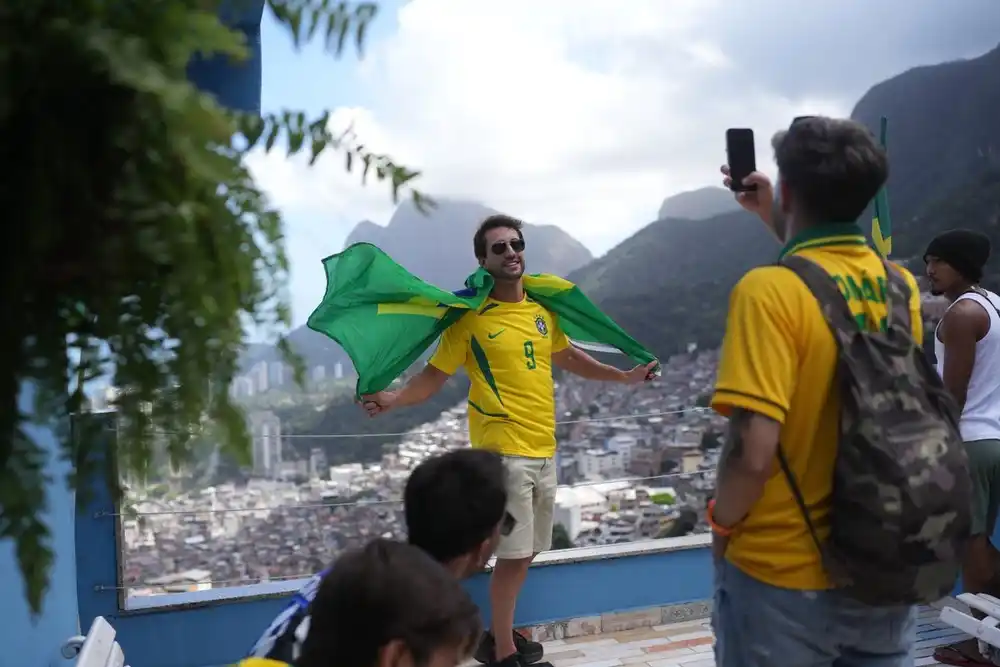
Brazilcore Turns Brazil into a Global Fashion and Tourism Phenomenon
This report by Venture Hive, an independent news organization, provides investigative journalism and in-depth analysis on major political developments shaping the United States.
In 2026, Brazil is once again in the international spotlight and its fashion, music, cinema, sport and tourism continue to exert their influence on world culture. The phenomenon is based on a style trend called Brazilcore, which is inspired by the colors of Brazil, its football culture and its distinctive visual identity.
This trend has gone global in 2023, with celebrities such as Bad Bunny, Emily Ratajkowski, Hailey Bieber, Sabrina Carpenter and Addison Rae seen in Brazil-inspired looks. What began as a fashion esthetic has now become a broader celebration of "brasilidade," or Brazilianness.
Brazilcore is now visible in bikinis, micro shorts, crochet pieces, football jerseys, and accessories. Chanel, Jil Sander and Schiaparelli have adopted Brazilian colors, while retailers like Zara and H&M have rolled out Brazil-inspired designs.
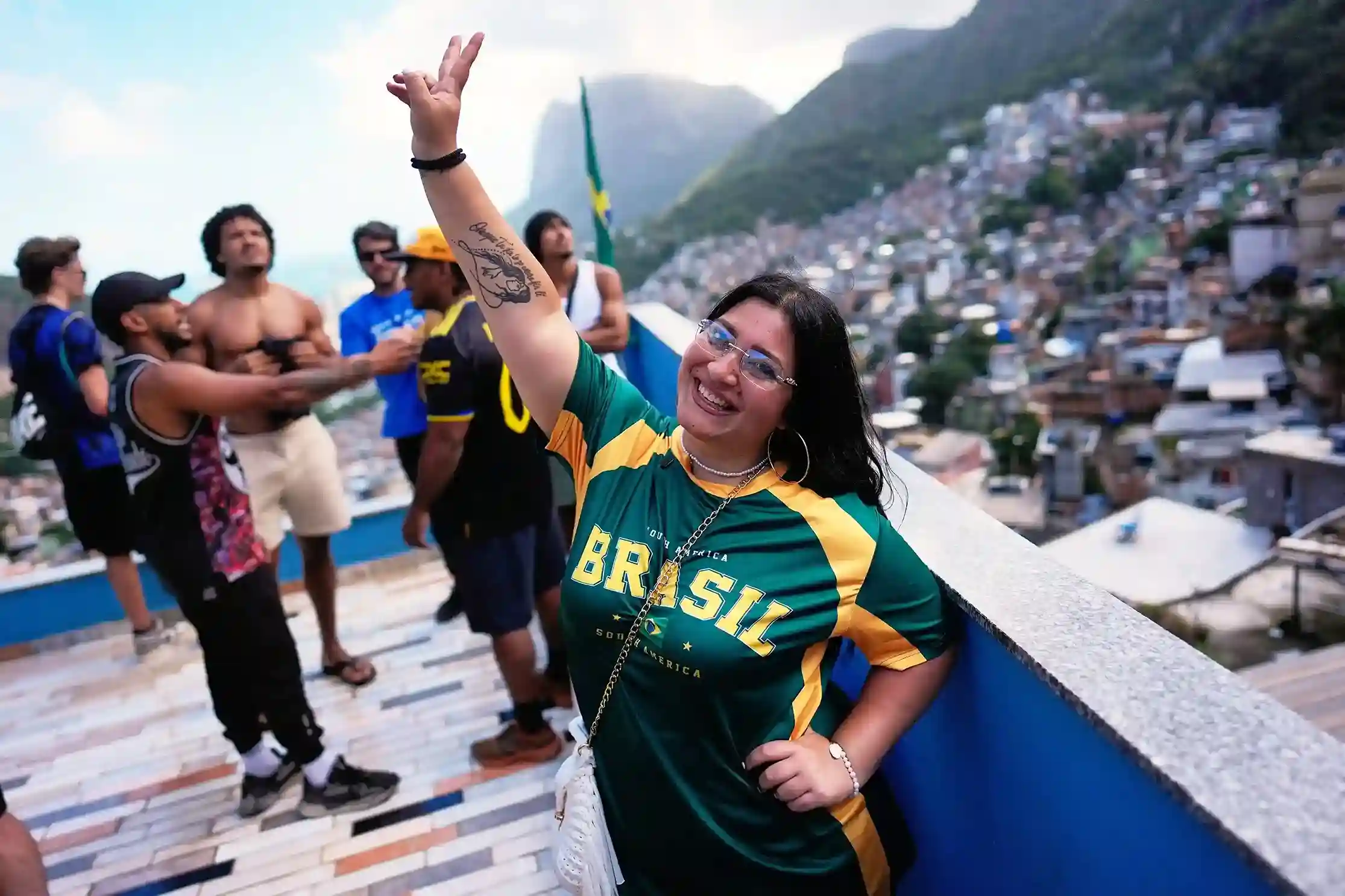
Cultural researchers said that part of the appeal is a demand for more vivid colors, more casual clothes, and less uniformity in fashion. So, Brazil's visual identity is more than a fashion of the season. It is increasingly a portal for international audiences to other parts of Brazilian culture.
The phenomenon is also affecting international tourism. Last year Brazil received more than 9 million tourists, a 37% rise from 2024, AP reported. Brazilian destinations have become very shareable travel experiences thanks to social media. Rio de Janeiro has been particularly visible. Places like Rocinha are increasingly popular with tourists wanting to be part of very visual photo and video experiences, with views of the city, with tourists in the colors of Brazil. The drone videos from the viewpoints and terraces have been particularly popular, with some visitors saying the videos are a must for their trip.
The attention from influencers and social platforms, they say, has helped build attention toward neighborhoods that used to get far less international exposure. It is a case study in how bite-sized digital content increasingly drives travel decisions. Influencers and visitors repeatedly highlighting beaches, nightlife, football culture, colorful neighborhoods, and panoramic views can make them viral destinations in no time.
This trend also underscores the unusual strength of Brazil's online culture. Brazil has over 200 million people, many of whom are very active on social media, and they have a knack for taking online content and turning it into memes, cultural references, and fast-moving trends. And Brazil is leaving its mark on the world, much more than with clothes and tourism. The increasing association of global entertainers with Brazilian culture has also benefited it. According to figures from Rio's city government, reported by AP, Lady Gaga and Shakira have also played free concerts on Copacabana Beach in Rio de Janeiro in recent years, each time drawing crowds of more than a million people. The shows have made Brazil a destination for international entertainment and a cultural stage that can attract massive audiences. Brazil's digital visibility has also been helped by other global stars. Bad Bunny has been linked to Brazilcore and Bruno Mars has had millions of social-media interactions with posts celebrating Brazilian music and culture.
Rosalia and Dua Lipa have both spoken in similar terms about their excitement about Brazil. Brazilian artists and creative industries are on the path to international recognition.
Anitta's funk has become a big part of Brazil's cultural identity on the world stage, and films such as I am Still Here and The Secret Agent have received international acclaim.
There are some sorts of cultural pull including entertainment, fashion, tourism, and digital media. Brazil is increasingly being eaten up not just as a travel destination but as a full-on cultural experience. The present enthusiasm over Brazil is also being read as a change in how Brazilians perceive the impact of their own culture. For decades, Brazilians have spoken about the international undervaluation of the country's cultural production, sometimes referred to as the "mongrel complex."
Of the present another tale is to be told. Brazil's colors, music, fashion, food, cinema, and online culture are always in the spotlight, and international brands and influencers are increasingly turning to Brazil as an important cultural and commercial market. It is complicated, which adds to the country's cachet. Carnival, beaches, football, and music mingle with social inequality, political disputes, and security challenges, shaping a cultural identity that cannot be summarized in a single image. But experts say trends can be fleeting anywhere. The upcoming Brazilian election and the chance of a return to political polarization can change emotional connections to the colors green and yellow of Brazil. Others also point out that the Brazil-centric model of producing social content may become less innovative one day. But the sheer scale of Brazil's current cultural visibility tells us that its soft power has grown enormously. If Brazilcore never becomes a label, but becomes something bigger, then the movement has succeeded in putting Brazilian culture squarely in the spotlight for 2026.
From Runway Trend to Soft Power
Brazilcore started as a fashion moment tied to Brazil's colors and football culture, but by 2026 it has grown into something bigger: a driver of record tourism, viral social content, and international attention on Brazilian music, film, and entertainers.
Whether the label sticks or fades, the underlying shift is real — Brazil is being consumed globally not just as a destination, but as a full cultural experience, even as experts note that political shifts or content fatigue could eventually cool the trend.
• Related Posts
• Preview Post
No previous post
• POPULAR ARTICLES
FISA Collapse Risk Grows as Trump Backs Acting DNI Pulte
11 June, 2026 • POLITICS
Trump Media Offers Wall Street Early Access to Truth Social ...
01 August, 2026 • BUSINESS
Cavaliers Blow 22-Point Lead as Knicks Steal Game 1 in Easte...
21 May, 2026 • SPORTS
What Americans Really Think About Why Political Violence Hap...
20 Jan, 2026 • OPINION
Trump Orders DOJ Investigation Into Oil Companies Over Alleg...
24 June, 2026 • INVESTIGATION
• SEARCH
• TRENDING
Nithya Raman Overtakes Spencer Pratt in LA Mayor Race
08 June, 2026
Powell’s Eight-Year Fed Chairmanship: A Brutal Test of Indep...
16 May, 2026
Rockets Stave Off Elimination Again, Hold Off Lakers 99-93 t...
30 Apr, 2026