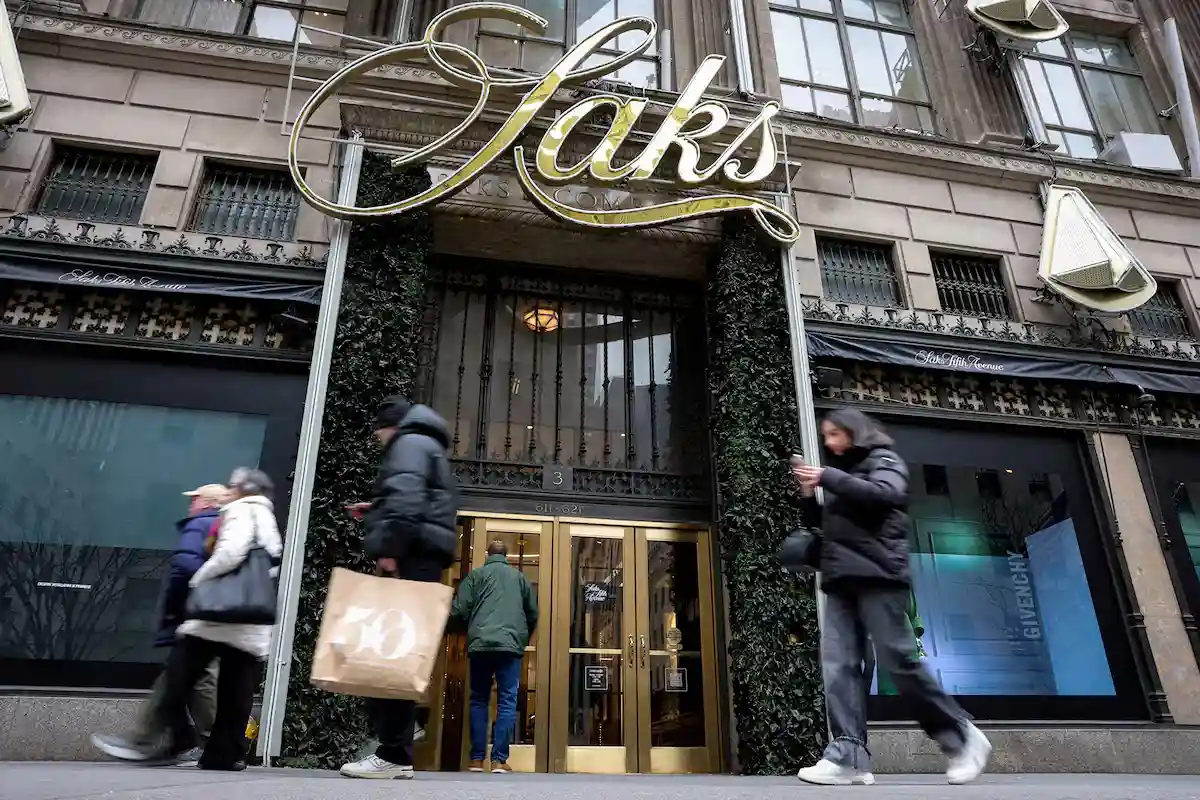
Saks Global Files for Bankruptcy as Luxury Retail Struggles with Debt and Falling Sales
This report by Venture Hive, an independent news organization, provides investigative journalism and in-depth analysis on major political developments shaping the United States.
The luxury department store conglomerate Saks Global filed for bankruptcy protection on Tuesday in one of the most significant retail failures since the pandemic, less than a year after a merger that integrated Saks Fifth Avenue, Bergdorf Goodman, and Neiman Marcus under a unified entity.
The company initiated voluntary Chapter 11 proceedings in the U.S. Bankruptcy Court for the Southern District of Texas, according to a news release. It stated that it will endeavor to honor all customer programs, ensure ongoing payments to vendors, and maintain employee payroll and benefits. Its retail locations continue to operate.
The move introduced uncertainty regarding the future of US luxury fashion, although the retailer announced early Wednesday that its stores would remain open for the time being after securing a $1.75 billion financing package and appointing a new CEO.
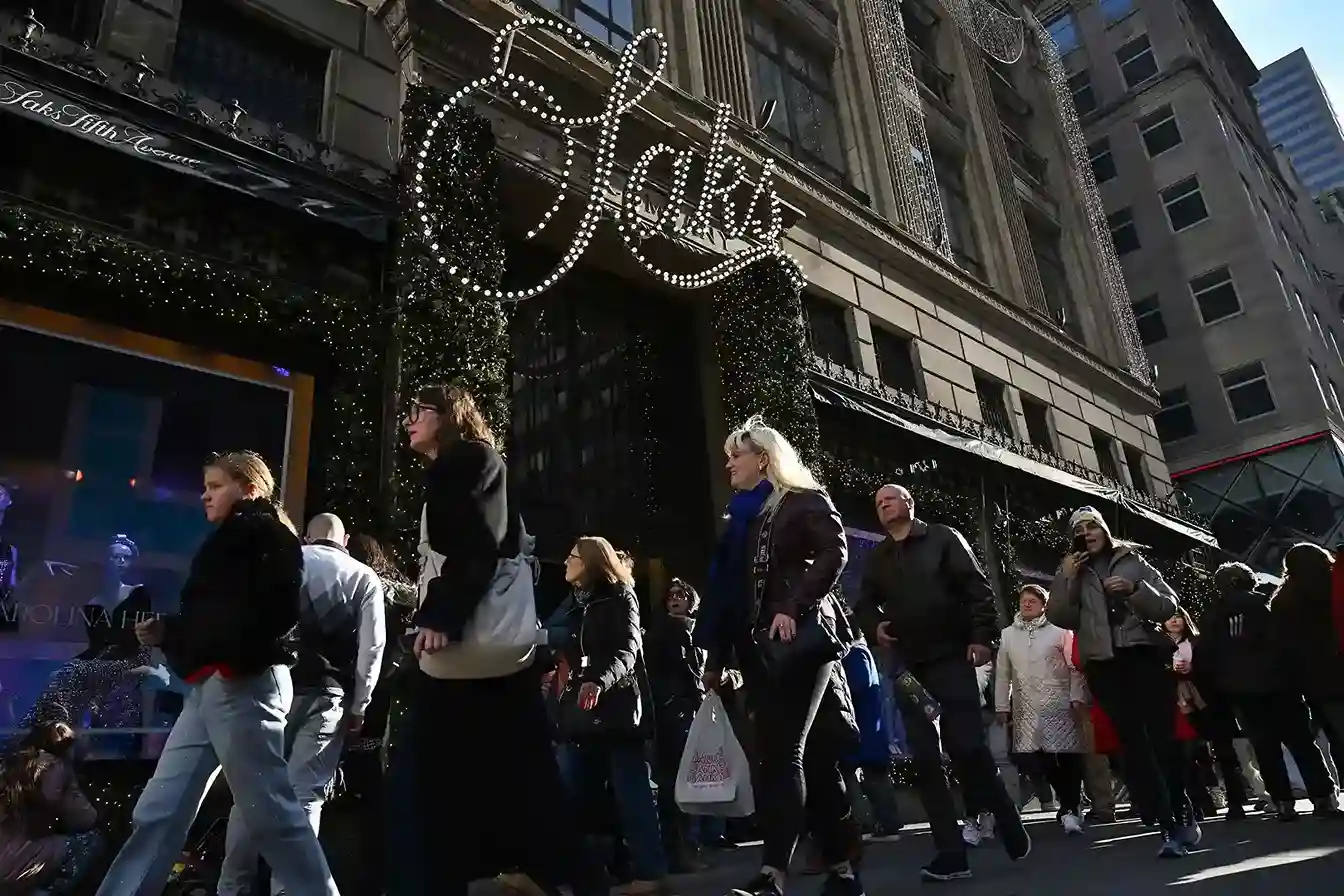
The announcement follows Saks' failure to make a $100 million interest payment due on December 30, which was associated with its $2.65 billion acquisition of Neiman Marcus in 2024. Saks Global’s chief executive, Marc Metrick, resigned days later, concluding nearly three decades of service with the company.
His successor, Executive Chairman Richard Baker, served in the position for less than two weeks before announcing his departure from the company.
The former Neiman Marcus CEO, Geoffroy van Raemdonck, will succeed Richard Baker, who was the architect of the acquisition strategy that resulted in Saks Global being burdened with debt.
The former Neiman Marcus CEO, Geoffroy van Raemdonck, will succeed Richard Baker, who was the architect of the acquisition strategy that resulted in Saks Global being burdened with debt. “This is a defining moment for Saks Global, and the path ahead presents a meaningful opportunity to strengthen the foundation of our business and position it for the future,” stated van Raemdonck in the Saks announcement. “In close partnership with these newly appointed leaders and our colleagues across the organization, we will navigate this process together with a continued focus on serving our customers and luxury brands. I look forward to serving as CEO and continuing to transform the Company so that Saks Global continues to play a central role in shaping the future of luxury retail.” This optimistic message arrives as the company commences voluntary Chapter 11 proceedings with support from key stakeholders, aiming to restructure debt while continuing normal operations across Saks Fifth Avenue, Neiman Marcus, Bergdorf Goodman, and other banners.
The fact that Saks Global went bankrupt is a clear sign that even the most famous names in American luxury retail are having a hard time adapting. The merger of Saks Fifth Avenue, Bergdorf Goodman, and Neiman Marcus was supposed to make the company bigger and more stable, but it actually made it more debt-ridden at a time when luxury department store sales are slowing and brands are moving sales online and to their own stores.
“They borrowed a lot more money than they should have for a company that isn’t growing — it’s a slow-melting ice cube,” remarked Tim Hynes, the global director of credit research at Debtwire. “If you have declining sales, you have to have a lot of cushions, and if you don’t … that’s how you wind up getting in trouble.”
The merger between Saks and Neiman Marcus was intended to strengthen both retailers amid the ongoing decline in the prominence of department stores and the growing reluctance of consumers to spend on non-essential items. During the holiday shopping period, transactions at luxury department stores from Black Friday to Cyber Monday declined by 10 percent compared to the same four-day period the previous year, according to Consumer Edge, which monitors transaction data on U.S. credit and debit cards.
Saks Global reported second-quarter revenue of $1.6 billion in October, reflecting a decrease of over 13 percent compared to the previous year. It has also experienced delays in vendor payments, resulting in stores offering a limited selection of products, according to Debtwire and other news reports.
Saks Global files for Chapter 11 bankruptcy protection after failed Neiman Marcus merger and mounting debt burden
The company continues to operate stores normally while pursuing restructuring with $1.75 billion in new financing and a new CEO in place.
Major luxury brands including Chanel, Gucci owner Kering, and LVMH appear among the unsecured creditors in the bankruptcy filing.

Samantha Cole
Samantha Cole is a New York business correspondent reporting on Wall Street, tech industries, start-ups, and market trends.
• Related Posts
McDonald’s Invests $8.5 Billion in AI, Restaurant Upgrades and Chicken Strategy to Drive Growth
2.Trump Media Offers Wall Street Early Access to Truth Social Posts, Raising Insider Trading Concerns
3.South Korea Unveils Massive AI and Semiconductor Investment Plan
4.U.S. Raises Concerns With ASML Over Reports of Advanced Chip Tool in China
• POPULAR ARTICLES
FISA Collapse Risk Grows as Trump Backs Acting DNI Pulte
11 June, 2026 • POLITICS

U.S. Raises Concerns With ASML Over Reports of Advanced Chip...
19 June, 2026 • BUSINESS
Cowboys Sign Quinnen Williams to Record $105.9 Million Exten...
11 August, 2026 • SPORTS

What Americans Really Think About Why Political Violence Hap...
20 Jan, 2026 • OPINION

Trump Orders DOJ Investigation Into Oil Companies Over Alleg...
24 June, 2026 • INVESTIGATION

• SEARCH
• TRENDING

Nithya Raman Overtakes Spencer Pratt in LA Mayor Race
08 June, 2026
Powell’s Eight-Year Fed Chairmanship: A Brutal Test of Indep...
16 May, 2026

Cavaliers Blow 22-Point Lead as Knicks Steal Game 1 in Easte...
21 May, 2026