Wall Street's Growing Rift with Trump: Warnings of Attacks on the Fed and Credit Card Limits
This report by Venture Hive, an independent news organization, provides investigative journalism and in-depth analysis on major political developments shaping the United States.
Wall Street and the Trump administration have mainly gotten along well lately, with big banks making money from policies that help businesses. But things have become a lot worse very quickly. Top executives from big banks are now explicitly warning President Donald Trump about his recent measures against the credit card industry and the Federal Reserve. They say that these moves might have a huge negative effect on the economy and affect regular Americans in the process. This change shows that the president's populist instincts are coming into conflict with the financial industry's practical concerns, which used to support many of his choices.
We need to go back a little to get the full picture. The "One Big Beautiful Bill" that Trump signed into law in July was a significant success for big businesses in America. The law included another round of big tax cuts that directly increased profits for banks and big businesses. It also cut the budget of the Consumer Financial Protection Bureau (CFPB) by almost half. The CFPB has been a pain in the neck for banks for a long time, typically cracking down on what banks consider as too much regulation. Trump's choices to bank regulatory positions have also been getting rid of laws left and right, making things easier for Wall Street, which has embraced the changes with open arms. Deregulation made it easier for banks to lend money, merge, and do other things, which drove up stock prices and made investors feel good.
But it looks like the honeymoon is over. The financial community has been shaken by the president's most recent plans and critiques. First, there's the concept of limiting credit card interest rates at 10% for a year. Credit cards make banks a lot of money. For example, billions of dollars in interest payments from people who hold balances. The Department of Justice under Trump has also started looking into Federal Reserve Chair Jerome Powell, which is like adding fuel to the fire. People who don't like this say it's a direct attack on the Fed's independence, which is a key part of how the U.S. economy works. The Federal Reserve should not be influenced by politics when it comes to setting interest rates. If you mess with that, it might make people less trusting of the system, which could raise borrowing costs for everyone.
When a group of bank CEOs called the White House on Tuesday, they didn't hold back. They stressed that these actions could hurt the very things that Trump says he wants to achieve, such as making life easier for regular people. They might not help and instead cause unforeseen effects that spread through the economy. Trump, as usual, fought back forcefully. He didn't back down from his beliefs; instead, he doubled down on his attacks on the Fed and the credit card business.
For example, look at Robin Vince, who is the CEO of BNY Mellon. He told reporters that he was very worried about interfering with the Fed's independence. Vince said, "Going after the Fed's independence doesn't seem to us to be helping the administration reach its main goals, which are to make things more affordable, lower the cost of borrowing, lower the cost of mortgages, and lower the cost of living for Americans." He went on to say that these kinds of actions could make the bond market less stable. If investors began to question the Fed's ability to act without political interference, they would ask for higher yields on bonds. This would raise interest rates on everything from home loans to car loans. "Let's not shake the bond market's foundation and risk doing something that could actually raise interest rates, because people don't trust the Fed's independence," he said. Vince says this is a classic case of good intentions leading to disastrous results.
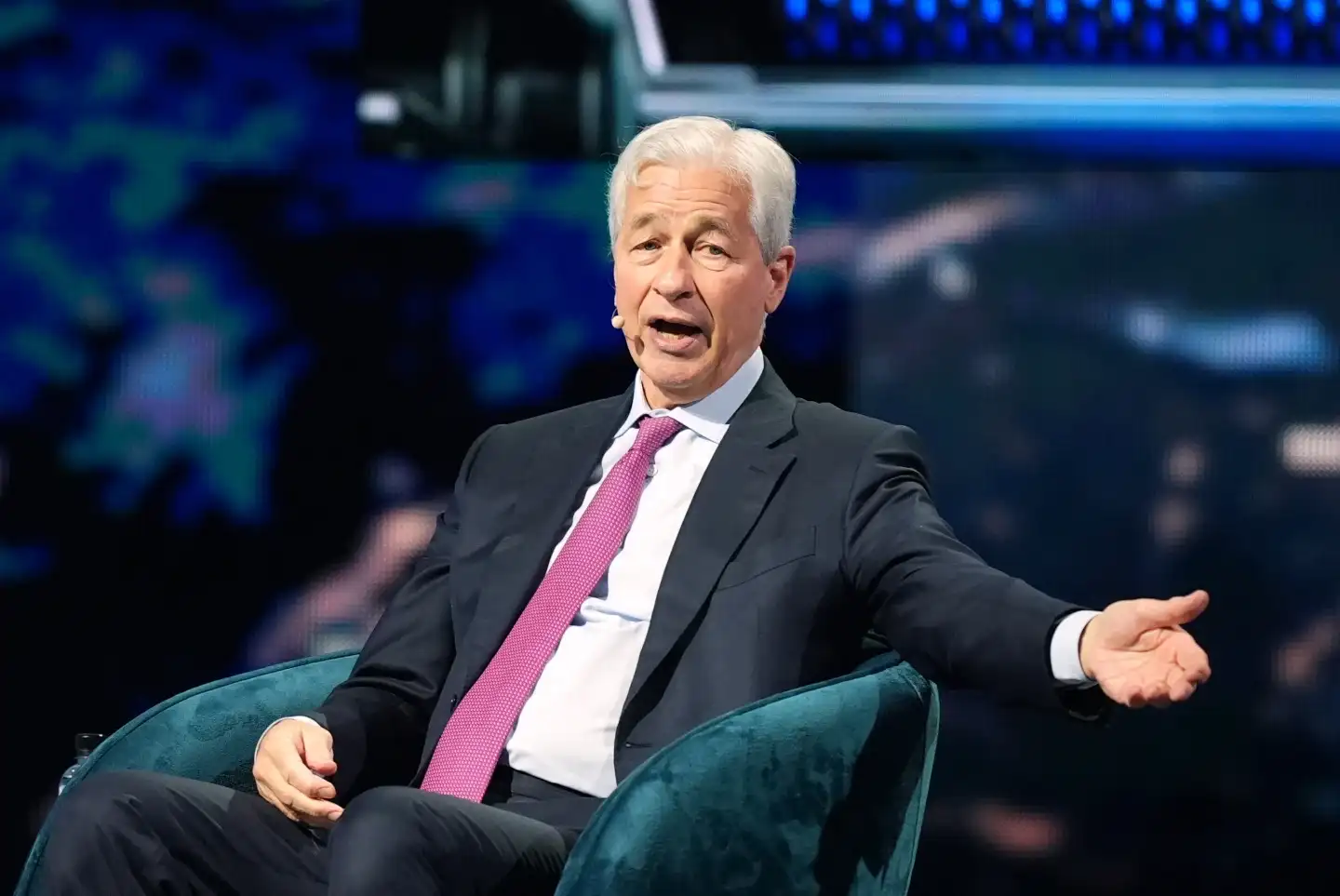
For bankers, the independence of the Federal Reserve is not just a theoretical idea; it is a key part of how they do business. Banks need to know what the government's monetary policy will be so they can make plans. Yes, they've complained about the speed of rate adjustments under Powell at times, maybe because they wanted cuts or raises to happen faster depending on the state of the economy. But in general, they have acknowledged the reasons behind his choices, which were based on data like inflation patterns, job numbers, and developments across the world. JPMorgan Chase CEO Jamie Dimon said this correctly. "I don't agree with anything the Federal Reserve has done. I do have a lot of respect for Jay Powell as a person," Dimon told reporters on Tuesday. Dimon has been a well-known figure in banking for decades. He is known for being direct, and people on Wall Street listen to what he says.
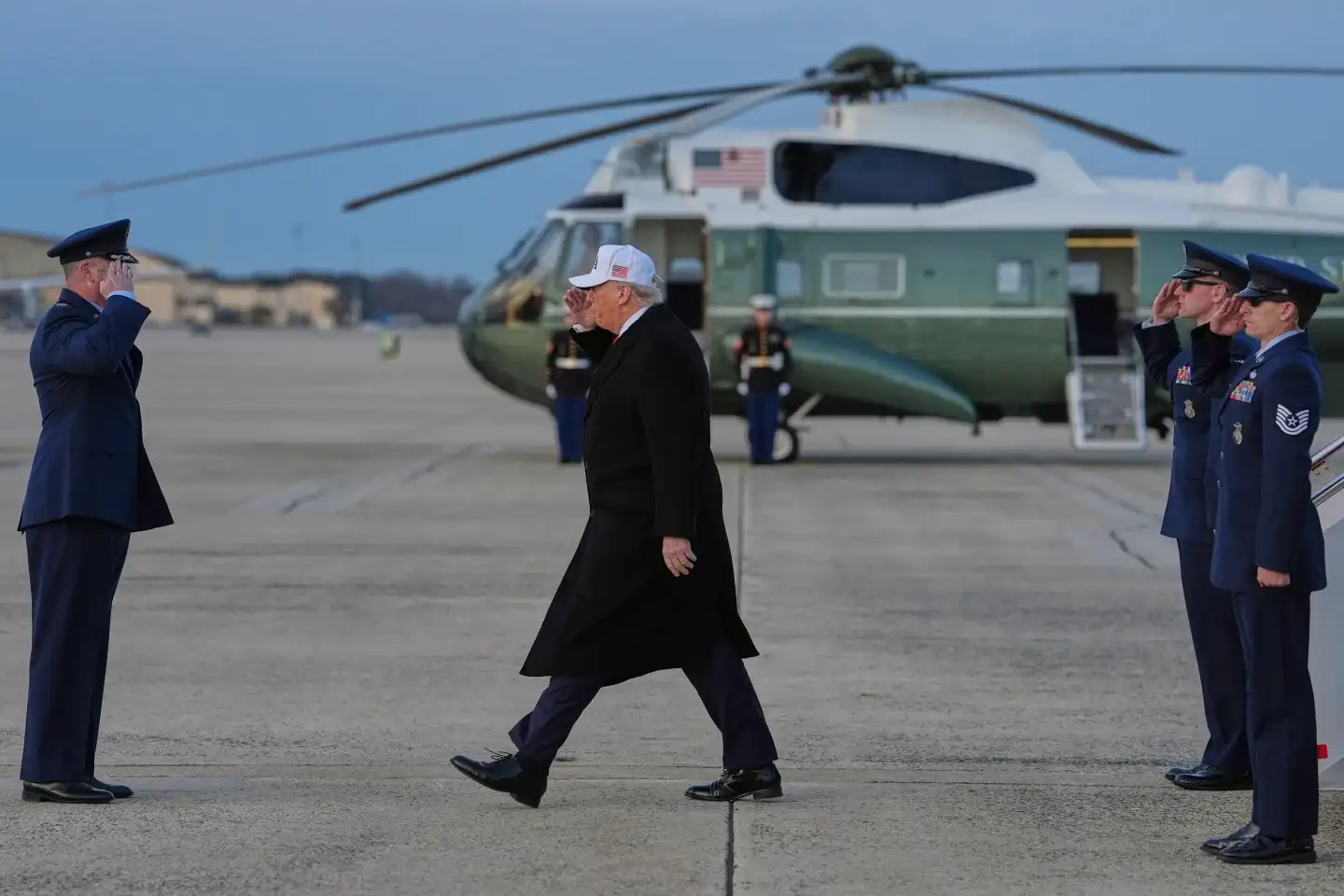
But Trump didn't change his mind. The president completely ignored what Dimon said when asked about it. After a short trip to Michigan, Trump told reporters at Joint Base Andrews, "Yeah, I think what I'm doing is fine." He then called Powell "a bad Fed person" who has "done a bad job." Trump has a history of attacking officials he disagrees with, but this kind of personal attack is more shocking when it's made at the president of an organization that is supposed to be nonpolitical. The DOJ's inquiry only makes things worse. It raises the question of whether this is a real investigation or a means to get Powell to go along with what the White House wants, like cutting rates faster to boost the economy before the midterms.
Moving on to credit cards, Trump's desire for a 10% interest rate maximum is causing even more trouble. "Affordability" is a major topic right now because the midterm elections are coming up. Trump wants to be seen as the protector of the little guy by going after what he perceives as unfair tactics in consumer finance. Voters are feeling the strain from high expenses in everything from groceries to housing. According to Fed data and industry trackers, the current average rates are between 19.65% and 21.5%. The proposal intends to cut these rates. It sounds like a gain for people who are having trouble with debt on the surface—lower rates mean that less interest will build up on accounts.
But the banking industry is fighting back hard, saying that a cap will ruin their business model and, ironically, hurt the people it's designed to benefit. Researchers at Vanderbilt University think that a limit like this could cost banks about $100 billion in annual income. That's not a small amount of money. It may make banks lend less, make credit standards stricter, or even leave some markets completely. The stock prices of big companies including American Express, JPMorgan, Citigroup, and Capital One stock fell sharply on Monday as investors worried about profit margins.
During a call with reporters, Jeffrey Barnum, JPMorgan's Chief Financial Officer, explained it. He reiterated that the industry is ready to utilize all of its resources to stop this. With $239.4 billion in debt on its cards, JPMorgan is a giant in the credit card business. It also has well-known collaborations, like as co-branded cards with Amazon and United Airlines. It just bought the Apple Card portfolio from Goldman Sachs. Barnum said, "We believe that actions like this will have the exact opposite effect on helping consumers that the administration wants." "It won't lower the price of credit; it will just make it harder to get. That will be bad for everyone: consumers, the economy as a whole, and yes, for us too." This means that if banks can't charge higher rates to cover the dangers of lending to people with bad credit histories, they might just cease giving such people cards altogether. That might mean that people with lower incomes can't get credit for emergencies or significant purchases, which would make inequality worse instead of better.
Not only banks are getting pushback. Even businesses that work together in the ecosystem, like airlines and hotels that offer loyalty cards, are worried. Ed Bastion, the CEO of Delta Air Lines, talked to analysts about what might happen next. Delta and American Express work together to make billions of dollars through co-branded cards that give travelers points and other benefits. Bastion said, "I think one of the big problems and challenges with (a possible cap) is that it would actually stop lower-income people from getting any credit, not just the interest rate they're paying, which would change the whole credit card industry." It's a cascade effect: If banks stop lending, these partnerships could suffer, which would affect airlines' profits and limit the rewards programs that many customers rely on.
Wall Street CEOs warn Trump against attacks on Fed independence and proposed 10% credit card rate cap amid economic concerns.
Vince added that undermining confidence in the Fed could shake investor trust in the bond market, pushing up yields and making everything from mortgages to auto loans more expensive for ordinary Americans.
Trump, however, showed no signs of backing down and instead doubled down on his position. Speaking to reporters, he brushed off the Wall Street criticisms, suggesting that bank executives like Jamie Dimon simply prefer higher rates because it means bigger profits for them. At the same time, he ramped up his support for broader reforms in the credit card space by publicly endorsing the Credit Card Competition Act, a bill introduced by Republican Sen. Roger Marshall of Kansas. On Truth Social, Trump called it a way to end the 'out of control Swipe Fee ripoff' that merchants face every time a customer swipes a card. By pushing for lower interchange fees and a hard cap on interest rates, the president is clearly trying to appeal directly to voters frustrated with high costs ahead of the midterms, even if it puts him at odds with the financial industry that has benefited from many of his earlier policies.

Samantha Cole
Samantha Cole is a New York business correspondent reporting on Wall Street, tech industries, start-ups, and market trends.
• Related Posts
McDonald’s Invests $8.5 Billion in AI, Restaurant Upgrades and Chicken Strategy to Drive Growth
2.Trump Media Offers Wall Street Early Access to Truth Social Posts, Raising Insider Trading Concerns
3.South Korea Unveils Massive AI and Semiconductor Investment Plan
4.U.S. Raises Concerns With ASML Over Reports of Advanced Chip Tool in China
• POPULAR ARTICLES
FISA Collapse Risk Grows as Trump Backs Acting DNI Pulte
11 June, 2026 • POLITICS
U.S. Raises Concerns With ASML Over Reports of Advanced Chip...
19 June, 2026 • BUSINESS
Cowboys Sign Quinnen Williams to Record $105.9 Million Exten...
11 August, 2026 • SPORTS
What Americans Really Think About Why Political Violence Hap...
20 Jan, 2026 • OPINION
Trump Orders DOJ Investigation Into Oil Companies Over Alleg...
24 June, 2026 • INVESTIGATION
• SEARCH
• TRENDING
Nithya Raman Overtakes Spencer Pratt in LA Mayor Race
08 June, 2026
Powell’s Eight-Year Fed Chairmanship: A Brutal Test of Indep...
16 May, 2026

Cavaliers Blow 22-Point Lead as Knicks Steal Game 1 in Easte...
21 May, 2026