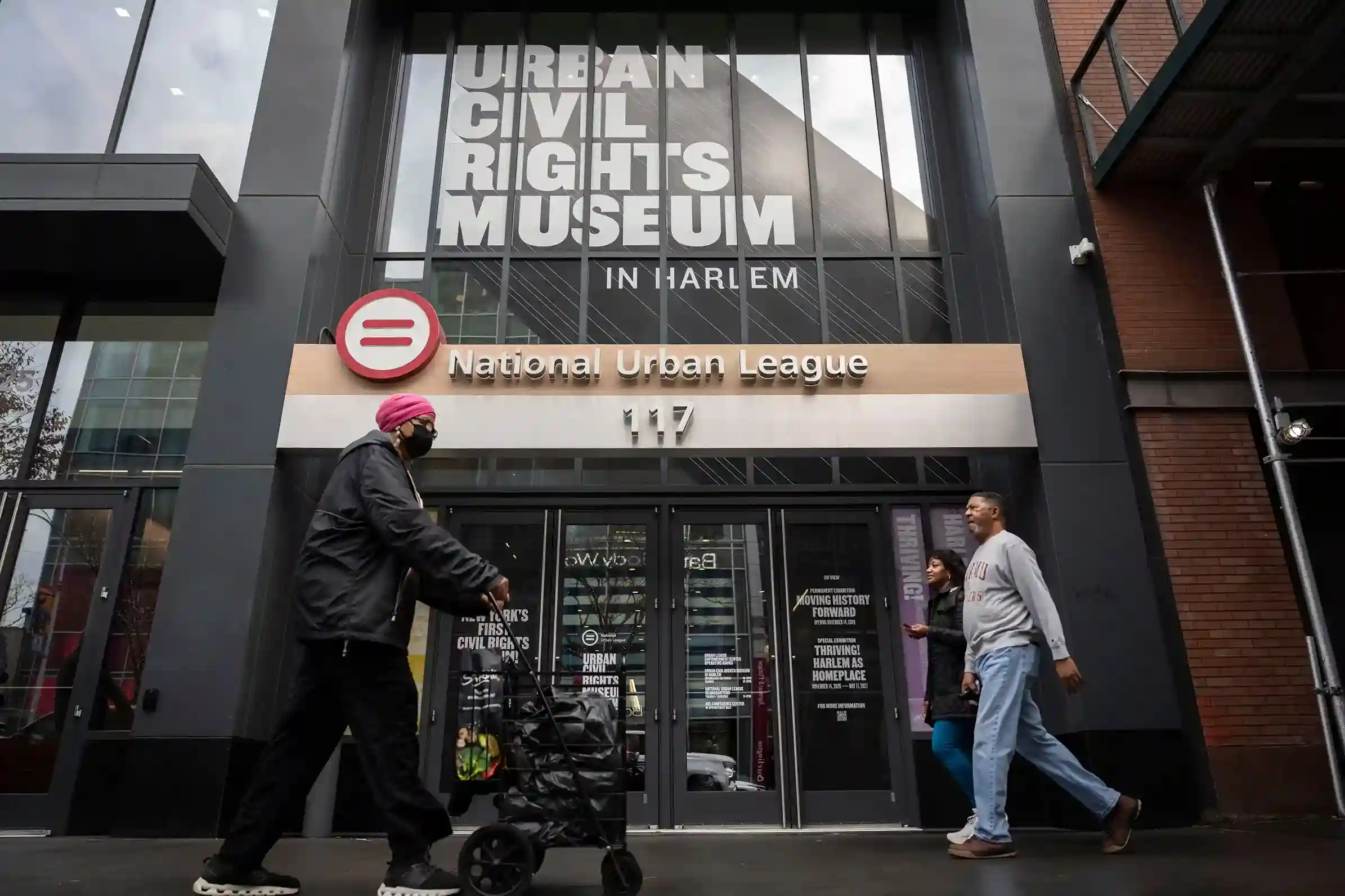
Harlem Museum Spotlights Northern Civil Rights History
This report by Venture Hive, an independent news organization, provides investigative journalism and in-depth analysis on major political developments shaping the United States.
A new museum in Harlem is about to shine a light on a part of American history that often gets less attention: the civil rights struggle in the northern United States. The National Urban League is opening the Urban Civil Rights Museum at its Manhattan headquarters, with the grand opening set for November 14, 2026.
The museum will fill nearly 12,000 square feet with permanent and rotating exhibitions on social justice, racial equality and the wider Civil Rights Movement. Its aim is to give African American communities in the North a dedicated place to tell their own stories of activism, contribution and experience. For many visitors, that may be the first time these local struggles are presented as part of the national story.
The project tries to close a long-standing gap. When Americans think about the civil rights era, public attention has traditionally centered on major events in the South. The new museum argues that the fight for equality was also unfolding in cities and neighborhoods across the Northeast, long before and long after the headline moments most people learn in school.
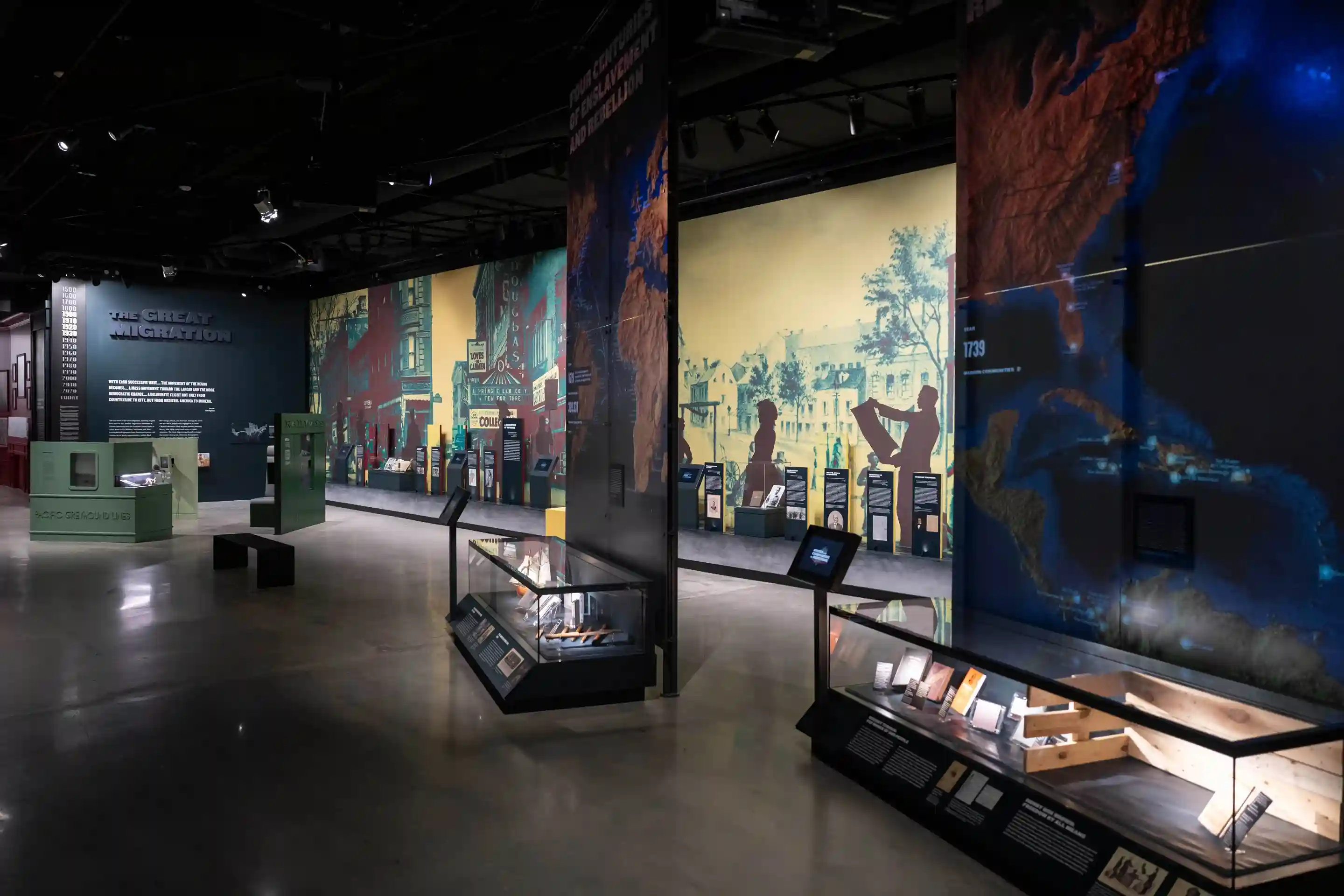
Its exhibits cover the lesser-known people, organizations and communities behind that fight. The story begins with the transatlantic slave trade, moves through the Great Migration of Black families leaving the Deep South, and follows the growth of the Civil Rights Movement itself.
Visitors will also see how past activism shaped today's politics, society and cultural identity. Jennifer Scott, the museum's founding executive director and chief curator, says the goal is to help people understand their own connection to history and recognize that they can influence what comes next.
The museum leans on interactive storytelling. Multimedia presentations, historical recordings, oral histories and interactive installations are meant to make the material accessible to different generations. Guests can listen to speeches by civil rights leaders and hear personal accounts from people who lived through periods of change.
Some displays invite visitors to think about their own role in social movements, including protests and the defense of free expression. Rotating exhibitions will add new narratives and perspectives over time, so the museum is not meant to stay fixed after opening day. Returning visitors should expect to find something new.
Harlem was chosen deliberately. National Urban League President and CEO Marc Morial said the location was picked to tie the exhibits to the history and cultural identity of the neighborhood. Harlem has long been linked with African American art, literature, music, political activism and intellectual life, and the museum sits near the Apollo Theater and the Schomburg Center for Research in Black Culture.
The timing matters too. The museum arrives while the country is debating how American history should be presented in schools and public museums. Its exhibits aim to preserve accounts of institutional racism, community activism and the efforts of people who challenged discrimination across the country. By keeping those accounts on public view, organizers hope visitors will see how earlier generations pushed for change.
Organizers say they don't see it as a traditional history museum alone. They plan to keep developing exhibitions and community programs after the opening, with an emphasis on public participation, education and conversations about how the Civil Rights Movement still matters today. In that sense, opening day is a starting point rather than a finish line.
For New York, it is a significant addition to the city's cultural scene, giving residents, students and visitors a way to explore experiences that have often received less attention in national narratives. The hope is that these stories remain easy to find for future generations, and that the people who helped shape American society are properly recognized. Students and families who live nearby will also have a new place to learn about history close to home.
A New Home for Northern Civil Rights Stories
The National Urban League's Urban Civil Rights Museum opens in Harlem on November 14, with nearly 12,000 square feet of exhibits on the northern Civil Rights Movement.
It covers the slave trade, the Great Migration and decades of activism through recordings, oral histories and interactive displays near the Apollo Theater and the Schomburg Center.

• Related Posts
• Preview Post
No previous post
• POPULAR ARTICLES
Pentagon Seeks $80 Billion for Iran War Costs as Congress De...
23 June, 2026 • POLITICS

U.S. Raises Concerns With ASML Over Reports of Advanced Chip...
19 June, 2026 • BUSINESS
Messi Delivers Hat Trick Masterclass as Argentina Thrash Alg...
17 June, 2026 • SPORTS

What Americans Really Think About Why Political Violence Hap...
20 Jan, 2026 • OPINION
Investigators Search Burned Montana Home After Eight Family ...
26 August, 2026 • INVESTIGATION

• SEARCH
• TRENDING

FISA Collapse Risk Grows as Trump Backs Acting DNI Pulte
11 June, 2026

Powell’s Eight-Year Fed Chairmanship: A Brutal Test of Indep...
16 May, 2026

Cavaliers Blow 22-Point Lead as Knicks Steal Game 1 in Easte...
21 May, 2026