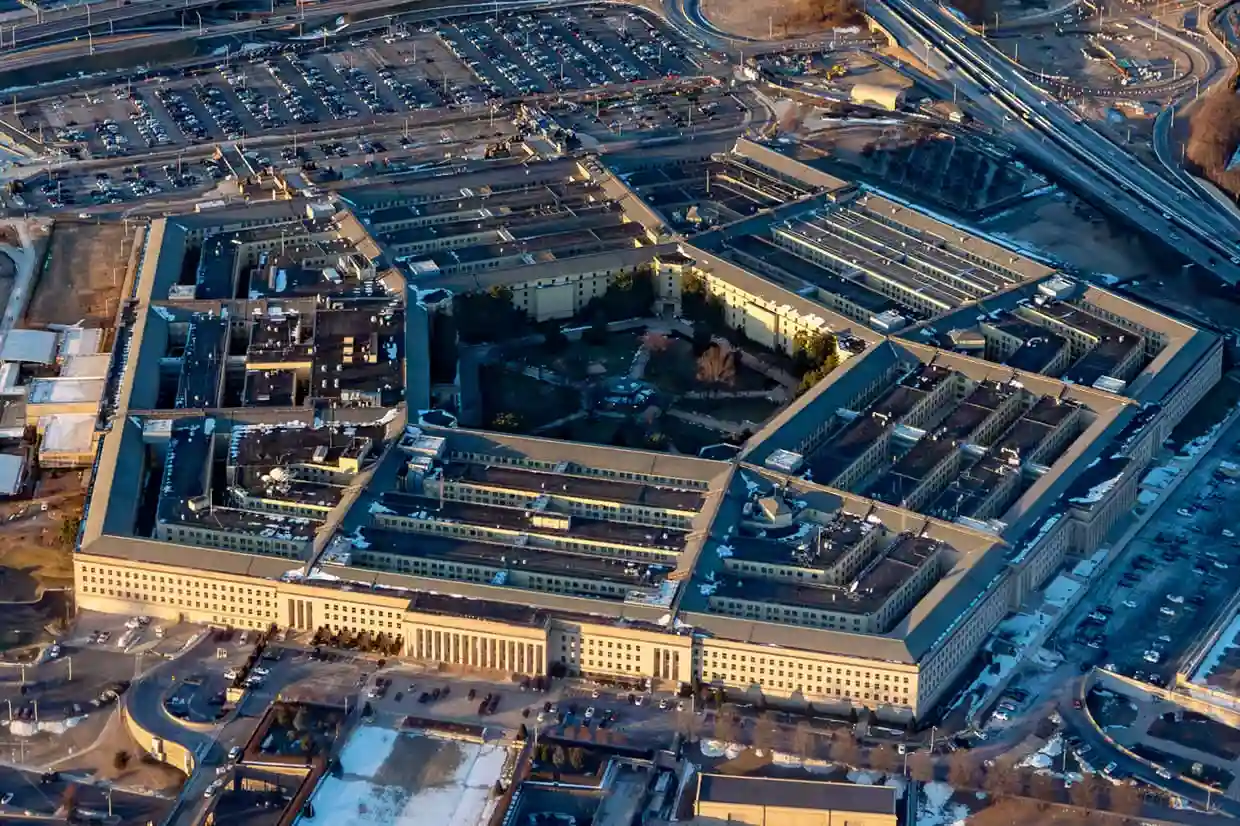
Pentagon Contractor Indicted for Mishandling and Leaking Classified Information
This report by Venture Hive, an independent news organization, provides investigative journalism and in-depth analysis on major political developments shaping the United States.
A grand jury in Maryland indicted Aurelio Luis Perez-Lugones, a 61-year-old Navy veteran from Laurel, with a crime. He is being accused of mishandling and leaking confidential information that could endanger national security. If he is proven guilty, he could spend decades in prison.
Let's stand back and think about what transpired. Perez-Lugones wasn't a rogue spy sneaking around in the dark; he was a systems engineer and IT expert who worked for a contractor for the Department of Defense. He had a top-secret security clearance, so he could examine some of the government's most classified files. Prosecutors allege that he began taking images of these very intimate materials in October. But he didn't just glance at them; he is believed to have copied them into Microsoft Word files and other programs to cover his traces and make it seem like he wasn't doing anything improper. After that, he is claimed to have printed them out, smuggled them out of work, and taken them home. After that, the leaks got even worse. He sent these private papers to someone the Justice Department calls 'Reporter 1.'
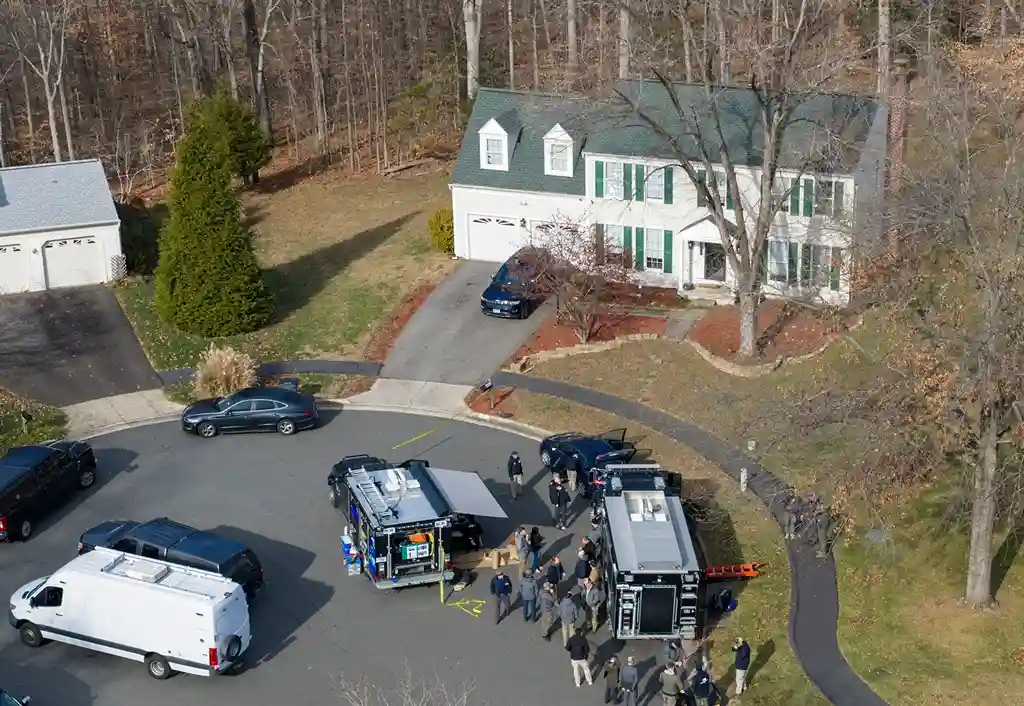
A lot of people think that 'Reporter 1' is Hannah Natanson, who writes for The Washington Post. The indictment doesn't name her directly, but the timeline and contents match up perfectly with an FBI raid on her Virginia home on January 14 that created a lot of trouble. Imagine waking up to federal officials banging on your door, rifling through your things, and taking your laptops, hard drives, recording devices, phones, and watches. That's what happened to Natanson, and The Post didn't hold back when they called it 'highly unusual and aggressive.' The government doesn't break into reporters' homes like that every day, and there are rules in place to keep reporters safe from this type of stuff.
The raid had immediate effects. A few days later, a federal judge stepped in and told prosecutors they couldn't look at the things they had taken for a while. The Washington Post filed a motion seeking for Natanson's equipment back, stating that keeping it was making it harder for her to do her job and for other people to speak freely. The newspaper was very clear in their statement. They termed the seizure 'outrageous' and said that every day the government keeps the materials, it 'causes harm that can't be fixed.' In other words, they're saying that this isn't just about one reporter; it's about making newsrooms all throughout the country vulnerable to the same types of attacks.
On January 8, Perez-Lugones was arrested and has been in jail ever since. He is accused of five crimes for keeping and distributing information on national defense. If he is found guilty of all of them, he may spend up to 50 years in prison. Each one might put him in jail for ten years. The prosecutors indicated that the person understood exactly what he was doing. They allege he used an encrypted messaging app to chat to the reporter and even informed them, 'I'm going quiet for a bit...just to see if anyone starts asking questions.' That kind of thing makes you feel like you know you're guilty. And what proof do you have? When they searched his car, they found a lunch box full with papers that said 'SECRET.' Then, they uncovered another secret paper in his basement at home. These weren't just random papers; officials say they had something to do with national defense, although they haven't stated exactly what.
At the front of this effort is Kash Patel, the current head of the FBI. When the indictment came out, he made a forceful statement. He emphasized that keeping the country's secrets safe is vitally important for keeping military, intelligence, and law enforcement operations safe. Patel said, 'The FBI will keep looking into anyone who tries to hurt our national security and make sure they are held accountable.' The government doesn't consider leaks like this as whistleblowers; they see them as betrayals that put lives at risk. The U.S. Attorney for the District of Maryland, Kelly Hayes, concurred with this and said that the actions were a breach of trust that 'cannot and will not be tolerated.' Her administration is saying that this is just a simple case of someone mailing things that could injure the country on intentionally.
But this is where things get extremely interesting and controversial. This story isn't only about a bad contractor; it's also about the problems that exist between the press and the government. A lot of people who believe in press freedom have been very upset since the raid. Bruce D. Brown, head of the Reporters Committee for Freedom of the Press, stated that searching reporters' homes and gadgets is 'one of the most intrusive investigative steps law enforcement can take.' He noted that the Justice Department has rules and laws that are supposed to stop these kinds of things from happening, except in the most extreme cases. Critics say that there is an increase in government meddling with media independence, which is still true now, in 2026, when we are still coping with the ramifications of prior actions.
On Friday, many groups that support journalistic freedom wrote to Congress to beg for a full investigation. Emily Peterson-Cassin of Demand Progress said it was a threat to 'the basic principles of our constitution and a free society.' They believe that the government is violating the First Amendment by going after Natanson like this. Think about it: journalists need sources to find out about government corruption, wrongdoing, or waste. If every leak leads to raids on reporters' homes, who will come forward? It might scare people who might speak out into silence, which would prohibit important concerns from getting out to the public.
To understand why this case is so important, it helps to look at some background. Before, confidential information has gotten out. For instance, Edward Snowden disclosed information concerning NSA espionage activities in 2013. Or Chelsea Manning, who supplied WikiLeaks military documents regarding the wars in Iraq and Afghanistan? Some people saw them as heroes battling for freedom, while others saw them as traitors who were putting national security at risk. The ideas are the same, but Perez-Lugones's situation doesn't appear as bad. One thing that makes this one stand out is that a well-known media like The Washington Post is directly involved. The Post has a long history of doing investigative journalism, from Watergate to more recent stories about the government going too far.
It is reported that the leaked material led to at least five articles in The Post. We don't know for sure what those publications were about, but they may have been about anything from military strategy to spy operations because they focused on 'national defense.' People are guessing a lot about what it was about, such ongoing wars, cyber threats, or even concerns with how the Pentagon works. The administration clearly believes that whatever it was is bad enough to need such a robust response. And let's not forget that in these times of escalating geopolitical tensions, with battles going on in Ukraine, the Middle East, and worries about China and Russia, any leak might have real-world implications. One piece of paper might warn opponents or put field operatives in risk.
Perez-Lugones's defense team hasn't spoken anything about the matter in public yet. They can suggest that the information wasn't as horrible as it was made out to be, or they might dispute how the evidence was collected. But for a 61-year-old veteran, facing up to 50 years is no joke. His time in the Navy could be a component of the story. He might have seen something that he thought the public should know, or he might have had personal reasons for doing so. We don't know such things yet.
The Tension Between National Security and Press Freedom in the Perez-Lugones Case
This indictment really shines a light on the never-ending tug-of-war between the government's need to protect classified information and the essential role of a free press in holding power accountable. The dramatic FBI raid on Washington Post reporter Hannah Natanson's home in Virginia has sent shockwaves through journalism circles and beyond. Press freedom advocates are sounding the alarm loudly, arguing that such aggressive tactics—searching a journalist's home, seizing phones, laptops, hard drives, even smartwatches—directly threaten the confidentiality that sources rely on when they decide to come forward. If reporters can be treated this way, many worry it will make it nearly impossible for whistleblowers or insiders to share information about potential wrongdoing, waste, or abuse without fearing that their identity will be exposed through digital forensics or physical evidence collection. The Reporters Committee for Freedom of the Press and other groups have called this one of the most intrusive steps law enforcement can take against the media, pointing out that Department of Justice guidelines are supposed to make these kinds of searches extremely rare and only used as a last resort. For many, this case feels like a step backward from hard-won protections that have developed over decades to shield journalists from exactly this kind of government pressure.
On the other side, the government and national security officials see the leaks as far from minor—they describe them as serious betrayals that could put American lives, military operations, intelligence sources, and even ongoing national defense efforts at real risk.

Olivia Ramirez
Olivia Ramirez is an investigative journalist from Los Angeles covering corruption, public accountability, and federal oversight.
• Related Posts
Investigators Search Burned Montana Home After Eight Family Members Are Killed
2.Trump Orders DOJ Investigation Into Oil Companies Over Alleged Gas Price Gouging
3.Federal Judge Receives Private Reprimand Over Relationship With Atlanta Police Department Commander
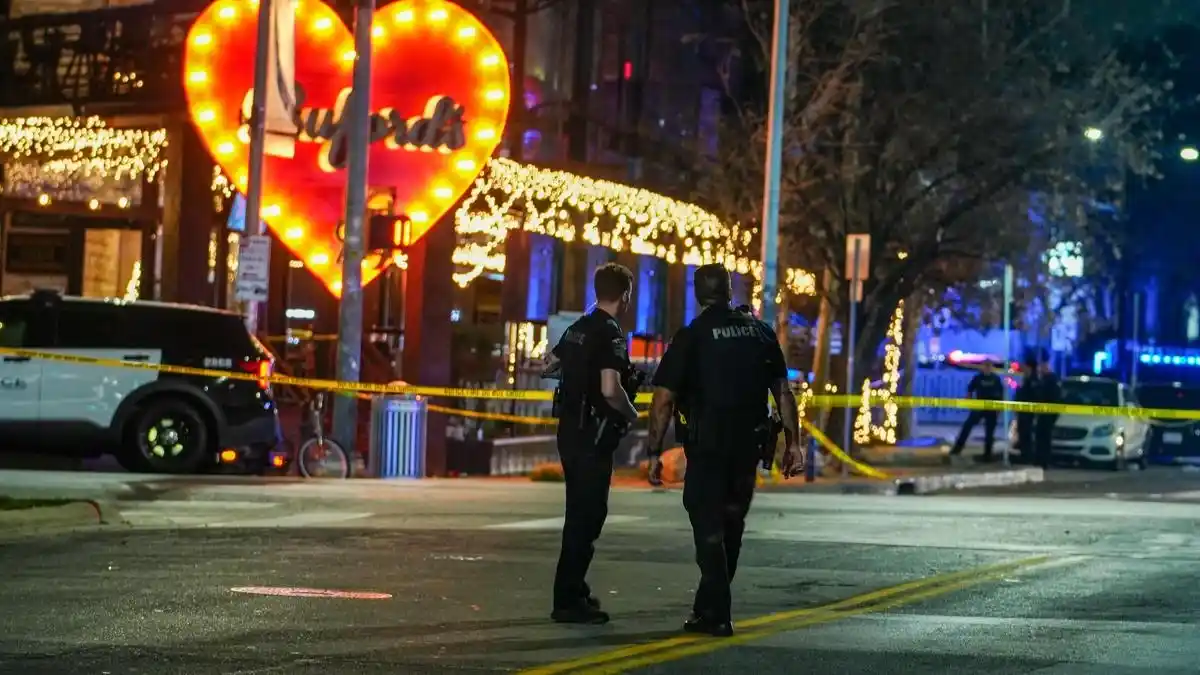
4.Three Dead, 14 Injured in Austin Sixth Street Shooting; Suspect Killed by Police
• POPULAR ARTICLES
FISA Collapse Risk Grows as Trump Backs Acting DNI Pulte
11 June, 2026 • POLITICS
Trump Media Offers Wall Street Early Access to Truth Social ...
01 August, 2026 • BUSINESS
Cavaliers Blow 22-Point Lead as Knicks Steal Game 1 in Easte...
21 May, 2026 • SPORTS
What Americans Really Think About Why Political Violence Hap...
20 Jan, 2026 • OPINION
Trump Orders DOJ Investigation Into Oil Companies Over Alleg...
24 June, 2026 • INVESTIGATION
• SEARCH
• TRENDING
Nithya Raman Overtakes Spencer Pratt in LA Mayor Race
08 June, 2026
Powell’s Eight-Year Fed Chairmanship: A Brutal Test of Indep...
16 May, 2026
Rockets Stave Off Elimination Again, Hold Off Lakers 99-93 t...
30 Apr, 2026