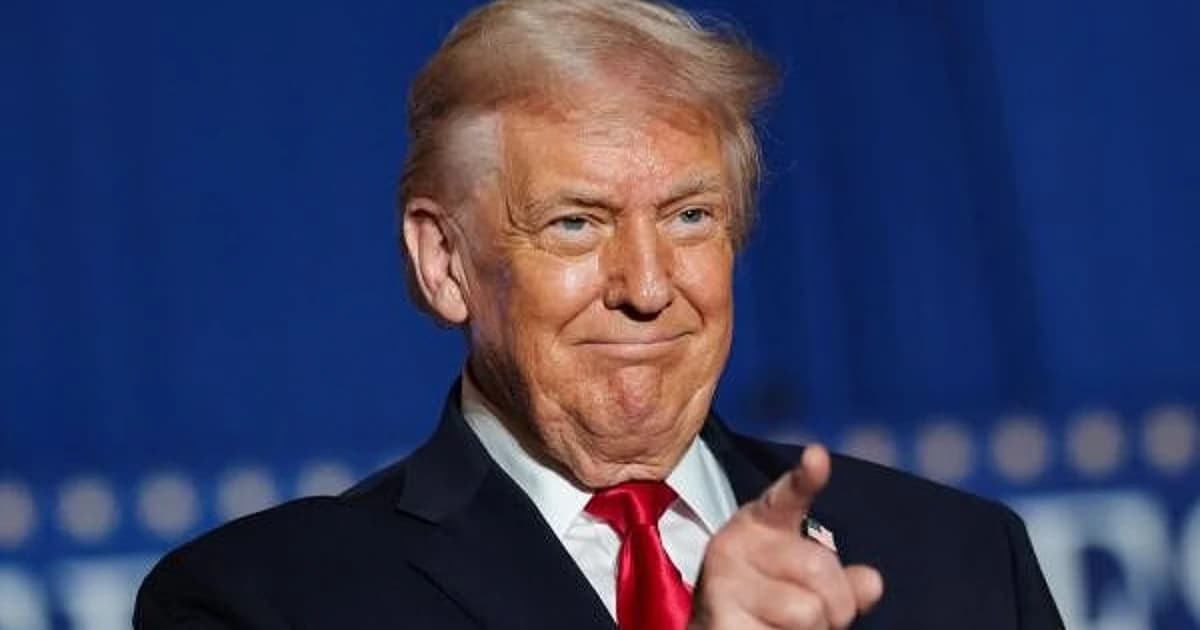
U.S. Threatens New Sanctions Over ICC Investigations of Trump and Others
This report by Venture Hive, an independent news organization, provides investigative journalism and in-depth analysis on major political developments shaping the United States.
The US administration threatens ICC sanctions unless the court agrees not to prosecute former President Trump and other top officials. Venture Hive reports that this move raises global concerns over sovereignty and international justice.
According to a U.S. official who spoke on condition of anonymity, the administration wants the ICC to change the Rome Statute — the treaty that created the court — to ensure it will not investigate Mr. Trump, the vice president, the defense secretary and other senior U.S. figures. If the ICC refuses to make such changes and also declines two other demands — dropping investigations into Israeli leaders over the Gaza conflict and formally ending an earlier inquiry into alleged actions by U.S. troops in Afghanistan — Washington may penalize additional ICC personnel and could sanction the court itself.
The U.S. is not a party to the Rome Statute that established the Hague-based tribunal, and previous U.S. administrations have long criticized the ICC for infringing on national sovereignty. Earlier this year, the United States imposed sanctions on nine ICC officials in retaliation for the issuance of arrest warrants against certain leaders, but has not yet targeted the institution as a whole. Changing the Rome Statute to exempt U.S. officials would require approval by two-thirds of the court’s member states, a significant diplomatic hurdle.
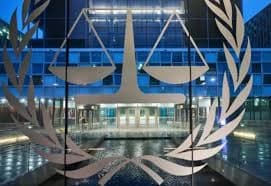
The push to amend the ICC’s founding treaty reflects concerns within the administration that, once Mr. Trump’s term ends in 2029, the court could seek to pursue investigations involving him and other U.S. officials for actions taken while in office, potentially related to military operations or other matters. U.S. officials have privately communicated their demands to ICC member states, including some allied governments, though no public formal request has been issued.
International legal experts say that punishing the ICC could hurt support for international justice around the world and make it harder for people to work together to hold war criminals accountable. A lot of countries that are part of the ICC think that the court is the only place to try genocide, crimes against humanity, and war crimes that their own courts don't handle. The diplomats in The Hague say they won't give in to pressure from the U.S. because any changes to the Rome Statute need the support of all member states.
The International Criminal Court, based in The Hague, has jurisdiction to prosecute the world’s gravest crimes when national systems are unwilling or unable to act. Though Washington long opposed U.S. participation in the court, ICC investigations into alleged crimes by Israeli leaders during the Gaza war and prior probes of U.S. military conduct have strained relations between the United States and the tribunal. U.S. sanctions on individual ICC officials earlier this year sparked criticism from international legal advocates who contend such measures could weaken accountability mechanisms.
Critics of the U.S. position say that asking for legal protection for select people would go against the basic ideas of the Rome Statute, which was meant to apply to all member state citizens and staff of non-member states in some situations. Countries that want to protect the ICC's independence have fought against the idea that political leaders should have extensive immunity. The United States, on the other hand, says that unfettered ICC jurisdiction threatens sovereignty and could lead to politically motivated indictments of U.S. leaders.
The court has issued high-profile arrest warrants for leaders in conflicts abroad, among other things, but ICC authorities have not said that they plan to look into U.S. officials. ICC authorities have said publicly that outside pressure will not affect how the court handles cases or how it interprets the Rome Statute in reaction to past sanctions. Still, the prospect of more penalties is a big step forward in the U.S.'s efforts to fight the ICC's power.
European diplomats and international law experts are very concerned that the U.S. push for treaty changes could make the whole system of global accountability weaker. Several EU officials said that letting strong countries off the hook would set a bad example that would make the court less powerful and make other governments want to do the same. They said that this is a very important test for the ICC's independence because giving in to political pressure could make the ICC less trustworthy in future investigations of war crimes.
Human rights groups have also spoken out against Washington's strategy, saying that the prospect of sanctions is a kind of pressure used to stop legal review. Groups who keep an eye on the ICC warn that trying to protect political leaders from scrutiny goes against long-standing international conventions and could make it harder to prosecute war crimes in crisis zones around the world. They also say that the U.S. plan could make the gap between the U.S. and allies who have long backed the court's role even bigger.
Legal experts say that as diplomatic tensions rise, the disagreement could change how countries work together to punish war criminals. Some people say that the fight between Washington and The Hague is part of a bigger fight about how to find a balance between national sovereignty and international justice. A lot of people are watching the ICC closely to see if it will give in to U.S. pressure or have long-term structural problems as it deals with one of the most important tests in its history. Member countries are expected to talk about the issue at future ICC meetings.
Why the U.S. Threat Against the ICC Matters
The warning from the U.S. shows that there are still problems between Washington and the International Criminal Court over who is in charge and who is to blame. Experts say that the choice to change the Rome Statute shows that countries care more about their own laws than about rules that apply to everyone. This makes people think about how the whole world will work together in the future. Experts say that if the sanctions go through, they could change how countries work with international courts and how they handle trials about conflict.
Some people think that the ICC shouldn't be able to go after people who work for countries that aren't members. Some people think that giving people immunity makes the law less effective around the world. Countries don't all agree on how international courts should handle war crimes. The outcome of this argument could change how people are held accountable in the future. It might also show how strong multilateral institutions are when they are under political pressure. People are also scared of what big countries will do to keep their leaders from being seen by the rest of the world because they don't agree.

Olivia Ramirez
Olivia Ramirez is an investigative journalist from Los Angeles covering corruption, public accountability, and federal oversight.
• Related Posts
Investigators Search Burned Montana Home After Eight Family Members Are Killed
2.Trump Orders DOJ Investigation Into Oil Companies Over Alleged Gas Price Gouging
3.Federal Judge Receives Private Reprimand Over Relationship With Atlanta Police Department Commander
4.Three Dead, 14 Injured in Austin Sixth Street Shooting; Suspect Killed by Police

• POPULAR ARTICLES
FISA Collapse Risk Grows as Trump Backs Acting DNI Pulte
11 June, 2026 • POLITICS
U.S. Raises Concerns With ASML Over Reports of Advanced Chip...
19 June, 2026 • BUSINESS

Cowboys Sign Quinnen Williams to Record $105.9 Million Exten...
11 August, 2026 • SPORTS

What Americans Really Think About Why Political Violence Hap...
20 Jan, 2026 • OPINION

Trump Orders DOJ Investigation Into Oil Companies Over Alleg...
24 June, 2026 • INVESTIGATION

• SEARCH
• TRENDING


Nithya Raman Overtakes Spencer Pratt in LA Mayor Race
08 June, 2026
Powell’s Eight-Year Fed Chairmanship: A Brutal Test of Indep...
16 May, 2026

Cavaliers Blow 22-Point Lead as Knicks Steal Game 1 in Easte...
21 May, 2026