House Votes to Override Trump's Vetoes Amid Rising GOP Tensions
This report by Venture Hive, an independent news organization, provides investigative journalism and in-depth analysis on major political developments shaping the United States.
As the House gets ready to fight back, things get tense in Congress. The President's Vetoes of Bills That Both Parties Want This Thursday, the U.S. House of Representatives will vote on whether or not to overturn President Donald Trump's recent vetoes of two bills that seem simple enough. Everyone in Washington is talking about this. These bills passed through Congress a few weeks ago with little fanfare and support from all sides. Now, they are making things hard for Republicans, who are having to choose between party loyalty and local needs. This Thursday, the U.S. House of Representatives will vote on whether to override President Trump's vetoes, a critical moment for the GOP amid rising tensions.
The first bill at the center of this drama would help rural areas in southeastern Colorado finish the Arkansas Valley Conduit, a water pipeline project that has been behind schedule for a long time. This isn't a new, flashy project; it's been in the works since the 1960s to give about 50,000 people in about 40 small towns and areas east of Pueblo clean, safe drinking water. People there have to drink groundwater that is often polluted with naturally occurring substances like radium and uranium. This makes it hard to meet safe drinking standards all year. The bill, which was put forward by Colorado Republican Rep. Lauren Boebert, would only change some of the financial terms to make it cheaper and give local donations more time to pay back the federal project. The House and Senate both passed it by voice vote, which means that no one even tried to disagree. People saw it as a clear-cut win for both parties.
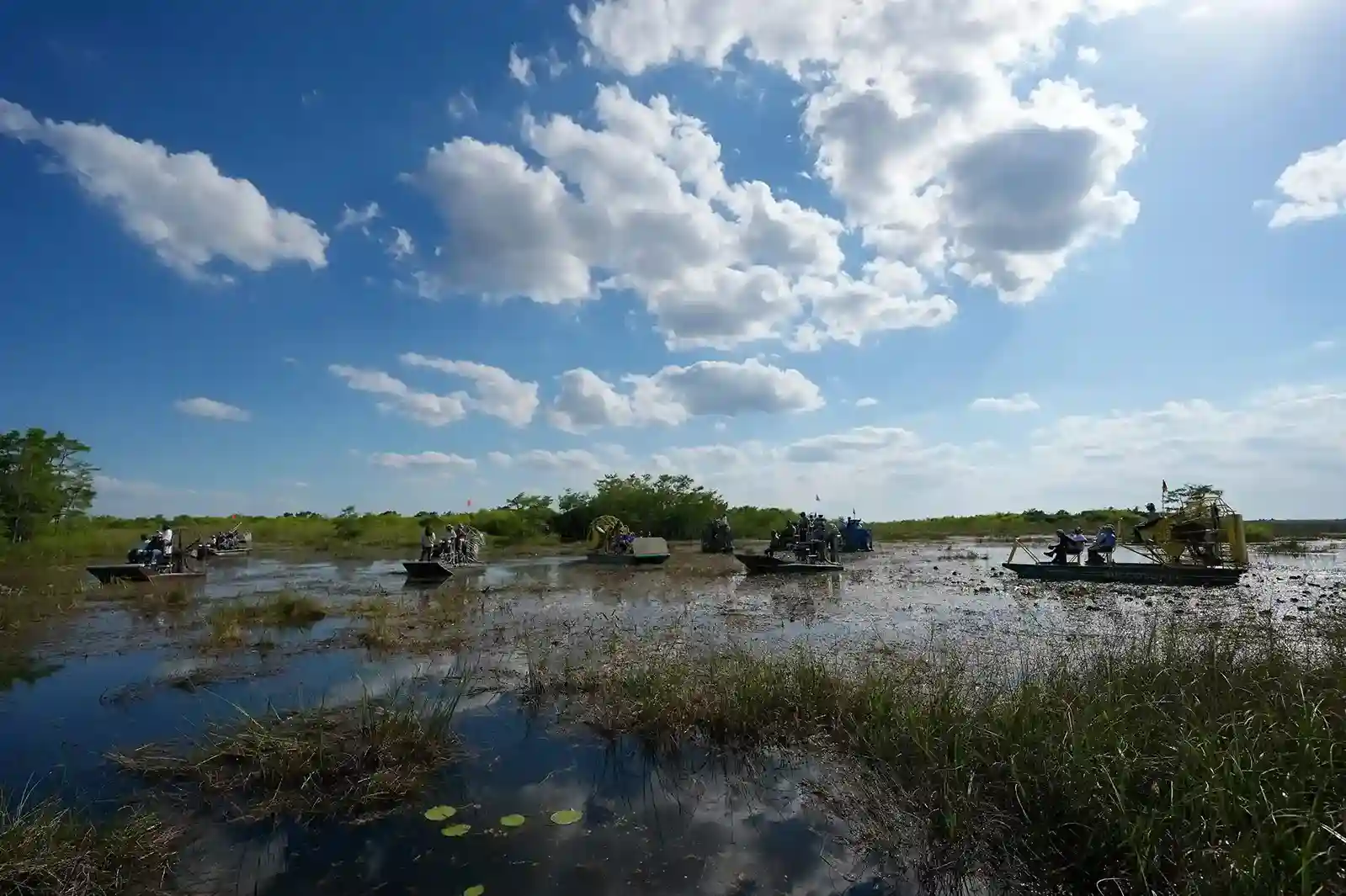
The second bill is about land in Florida's Everglades National Park. Republican Rep. Carlos Gimenez is backing a bill that would officially add a small area called Osceola Camp to the Miccosukee Reserved area. This would give the Miccosukee Tribe of Indians more power to control the flow of water, build buildings, and protect their community from flooding. Even before the national park was built, tribal members have lived in the camp for generations. The changes would help keep the Everglades safe and improve basic infrastructure. This bill, like the one in Colorado, also went through Congress quickly and with little opposition. Both parties' lawmakers backed it because they thought it was a matter of fairness, tribal sovereignty, and protecting the environment.

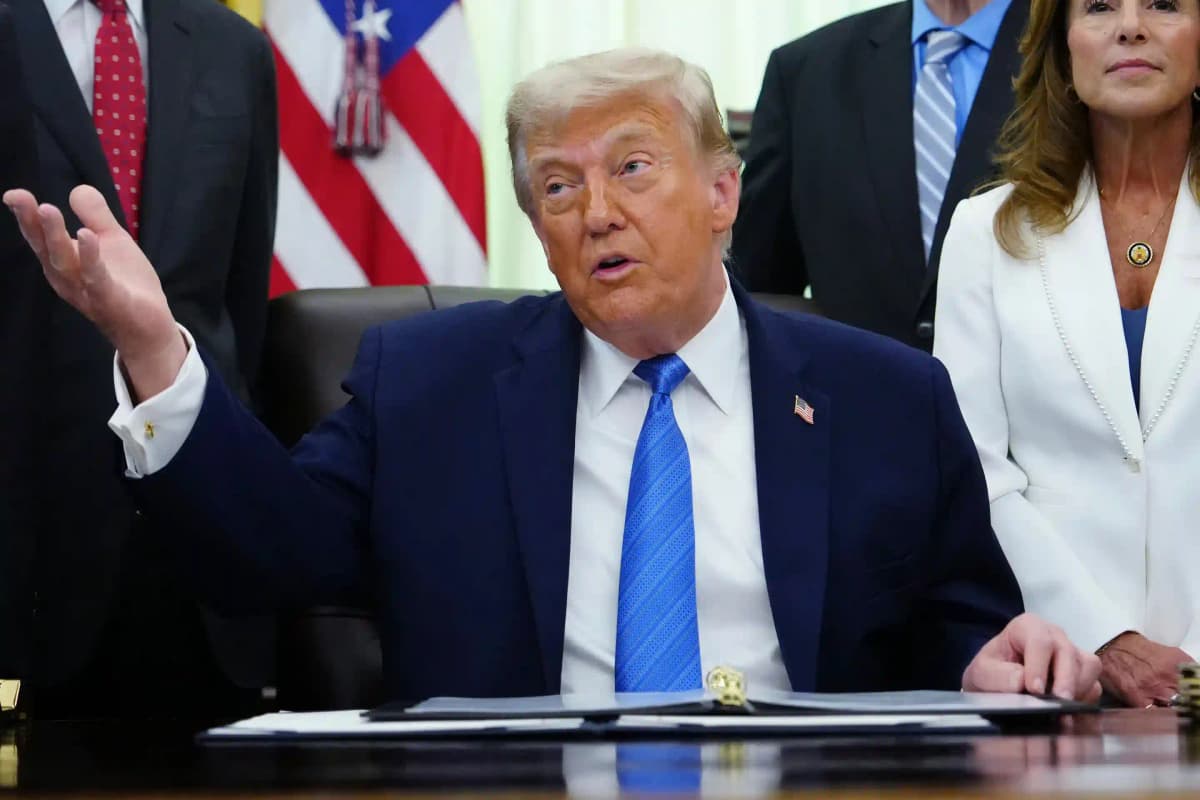
So, what are the reasons for the vetoes? Late last month, President Trump used his veto pen for the first time in this second term. He based his arguments to Congress on issues of policy and budgetary responsibility. He said that the costs of the Colorado pipeline project were going up, and that they were now thought to be over a billion dollars. He also said that taxpayers at the federal level shouldn't have to pay more for what he called a local duty. He was more straightforward about the Florida bill, saying that the Miccosukee Tribe was trying to stop his government from enforcing immigration laws. He specifically talked about how they were involved in lawsuits against a controversial detention center in the Everglades called "Alligator Alcatraz."
Boebert has been one of Trump's biggest fans over the years. But at the end of last year, she left the party by signing a petition that forced the House to vote on whether or not to release Justice Department papers about Jeffrey Epstein, a convicted sex offender with high-profile connections. Boebert and a few other Republicans pushed it through even though the White House was putting pressure on them. Eventually, the files were made public. In his veto statement, Trump didn't say anything about Boebert; he just talked about costs. But she asked in public if there was a link. She told reporters that she hoped it wasn't revenge and that her plan was "completely non-controversial." She also said that it only gives water customers more time to pay their bills without adding a lot of extra federal money.
The tribe's leader in Florida fought back hard, saying they weren't trying to undermine immigration policy but rather protect the fragile Everglades habitat. Some Democrats and other critics said the veto was small-minded, especially since the bill would help keep a low-lying area where people have lived for decades from flooding.
Louisiana Republican House Speaker Mike Johnson has made it clear that party leaders are not making members vote a certain way. There is no official "whip" group that tells members to vote one way or the other. He said he would vote to uphold the vetoes because he thought the president's reasons were "very reasonable." He did, however, understand how upset Colorado members were and promised to find other ways to deal with the water problem in the future.
Not all Republicans agree on this issue, which shows how hard it is for many of them. Rep. Don Bacon from Nebraska said he would support overriding because both laws passed without a single negative vote and he didn't understand why the veto was necessary. Rep. Nicole Malliotakis from New York, on the other hand, plans to stay with the president because that's what her voters want her to do. Boebert has been quietly talking to her coworkers about getting support for an override, but she knows it won't be easy. It's hard to get two-thirds of the House to go against the president, especially since the midterm elections are coming up later this year and many Republicans will be hoping for Trump's support and help with their campaigns.
If the House can get past the veto—and early reports say it's likely, since everyone agreed with it at first—the Senate would get the bill. Senate Republicans, like John Barrasso from Wyoming, have been tight-lipped and said they will wait to see what the House does first. Two-thirds of both chambers must agree to override a veto. This is a tough test that has only been passed once before, on a defense bill during Trump's first term.
This whole thing shows that there are bigger problems coming up early in Trump's second term. Republicans control both the House and the Senate, but that doesn't mean they always agree with the president on what is best for their districts. Lawmakers from rural areas are feeling the most pressure. Taking care of tribal land and getting clean water may not make the news, but they are very important where you live. And with elections coming up, no one wants to be seen ignoring what their constituents need just to keep the boss happy. Trump's vetoes also send a clear message: he will use his power to fight against what he sees as wasteful spending or opposition to his goals, even if it makes people in his own party mad. The White House has stuck to its official positions on spending and policy, ignoring rumors of retaliation by pointing to the veto messages.
This could set the tone for how the president and Congress work together for the next few years, no matter what happens on Thursday. Will Republicans be able to go against him on small issues that help their districts? Or will most people stay in line because they are afraid of what might happen in politics? It reminds us that politics is not always easy, even when the government is working together. These two small laws about land and water have turned into a much bigger story about Washington's power, loyalty, and priorities. Right now, everyone is watching the floor of the House. If overrides pass, it would be a rare slap on the wrist for Trump. It would also show that he can't always get what he wants when the needs of the real world don't match what the White House says, even though he has a lot of power over the party. This isn't over yet, so stay tuned.
House set to vote on overriding Trump's vetoes of bipartisan water and tribal land bills amid internal GOP divisions.
President Trump's first vetoes of his second term target non-controversial bills for Colorado's Arkansas Valley Conduit and Florida's Miccosukee Tribe, sparking accusations of retaliation and forcing Republicans to choose between loyalty and district needs. These bills passed through Congress a few weeks ago with little fanfare and support from all sides by voice vote, meaning no one even tried to disagree.
With unanimous congressional passage initially, the override votes highlight early tensions in unified Republican government over local priorities versus presidential authority. Republicans are having to choose between party loyalty and local needs, as lawmakers from rural areas feel the most pressure and no one wants to be seen ignoring constituent needs just to keep the boss happy.
Charlotte Reynolds
Charlotte Reynolds is a Washington-based political reporter covering Congress, elections, and federal policy disputes.
• Related Posts
• POPULAR ARTICLES
FISA Collapse Risk Grows as Trump Backs Acting DNI Pulte
11 June, 2026 • POLITICS
U.S. Raises Concerns With ASML Over Reports of Advanced Chip...
19 June, 2026 • BUSINESS

Cowboys Sign Quinnen Williams to Record $105.9 Million Exten...
11 August, 2026 • SPORTS

What Americans Really Think About Why Political Violence Hap...
20 Jan, 2026 • OPINION

Trump Orders DOJ Investigation Into Oil Companies Over Alleg...
24 June, 2026 • INVESTIGATION
• SEARCH
• TRENDING


Nithya Raman Overtakes Spencer Pratt in LA Mayor Race
08 June, 2026

Powell’s Eight-Year Fed Chairmanship: A Brutal Test of Indep...
16 May, 2026

Cavaliers Blow 22-Point Lead as Knicks Steal Game 1 in Easte...
21 May, 2026