
Telehealth Abortions Rise 27% in 2025 as Post-Roe Access Continues to Shift
This report by Venture Hive, an independent news organization, provides investigative journalism and in-depth analysis on major political developments shaping the United States.
The Society of Family Planning's new numbers show a surge in telehealth abortions in the United States. In the first half of 2025, 27% of all abortions were provided through telehealth services, reflecting shifting, post-Roe access as state laws continue to change after Roe v. Wade.
On Tuesday, the Society of Family Planning (SFP) released new numbers that showed a big rise in the number of Americans who had abortions over the phone between January and June 2025. During this time, 27% of all abortions in the US were done over the phone. This is more than the 5% that were done in the spring of 2022, before Roe v. Wade was overturned, and it's up from 25% by the end of 2024. The growth is one of the clearest signs that changes in state laws and the number of clinics that are open are pushing reproductive health care more toward virtual platforms.
The SFP report notes a sharp rise in telehealth abortion use among people living in states with total bans or severe restrictions. Many patients in these areas are increasingly turning to out-of-state providers operating under shield laws that protect clinicians from legal prosecution. According to the organization’s findings, telehealth services helped maintain access for thousands of individuals who otherwise would have had no legal in-state options. The data underscores a widening reliance on digital healthcare tools as a workaround to barriers created by new state-level abortion prohibitions.
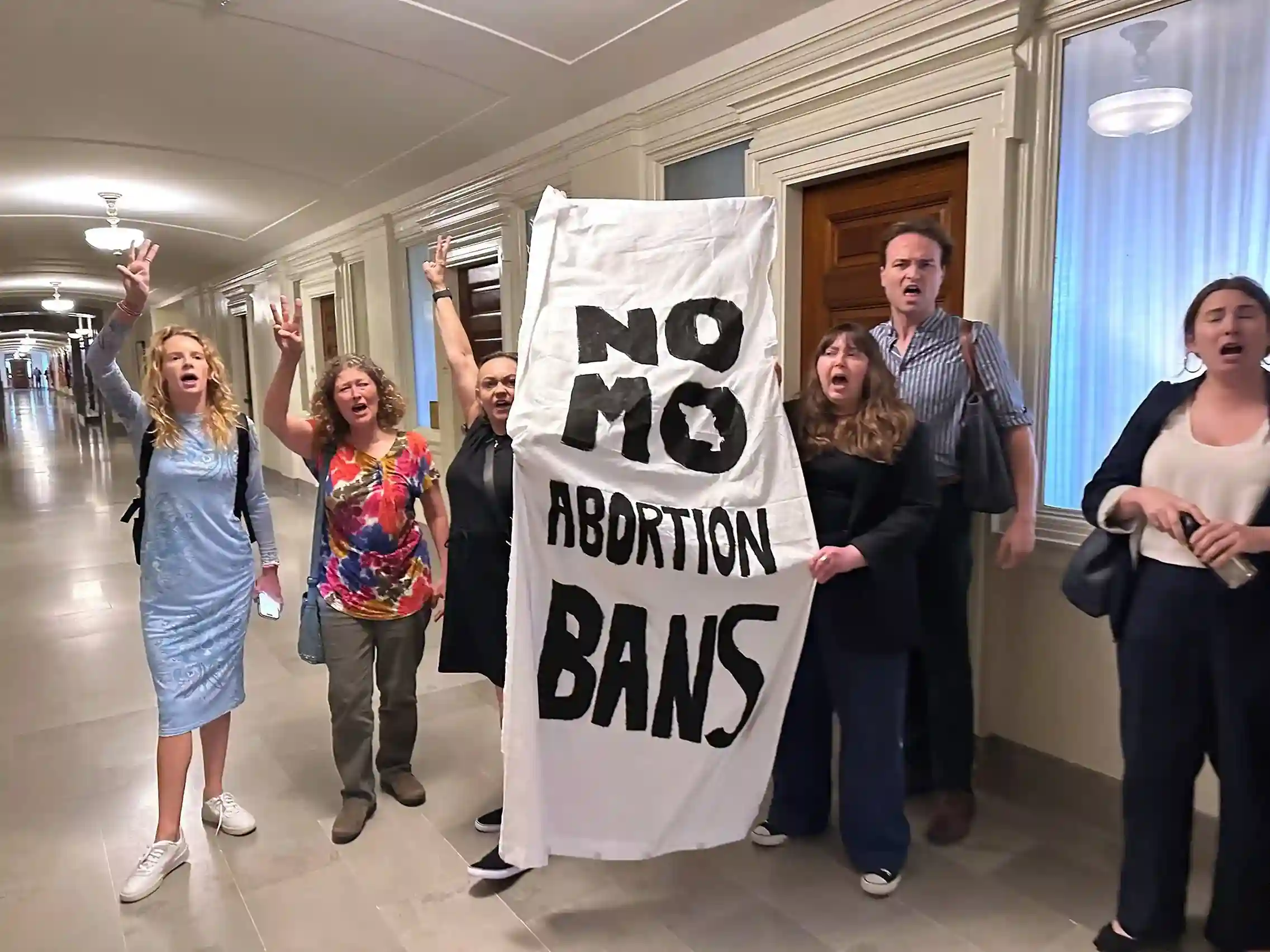
The group believes that telehealth services in the US performed about 15,000 abortions every month from January to June 2025. This monthly average shows how important remote treatment has become in reproductive health care, especially in places where physical clinics have closed or are always having legal problems. Telemedicine services are becoming more popular because more people want them and more states are passing laws that make it harder to get an abortion.
In a public statement, Dr. Ushma Upadhyay, co-chair of SFP's #WeCount project and a professor at the University of California, San Francisco, stressed how important telehealth is. She called remote abortion access a 'lifeline' for people living in states where it is illegal, and she pointed out that a lot of patients now rely on internet consultations and medications sent through the mail to get reproductive care. Her comments support a larger worry among health activists that many Americans are finding it harder to get traditional clinic-based care, especially in states with tight rules.
The widespread use of telehealth abortion is supported by shield laws passed in several states, which protect medical providers from being prosecuted or sued for prescribing abortion medication to patients living in states with bans. These laws specifically safeguard clinicians who prescribe mifepristone or misoprostol — the two medications commonly used in the majority of U.S. abortions. Shield states have positioned themselves as protective access points amid a contentious national debate over reproductive rights.
More and more people are using telehealth, yet there are still major discrepancies in who can obtain it. People who reside in states where all medicines are banned have greater problems with logistics, such having to wait longer for their medicine, not being able to grasp the law, and the extra stress of traveling over state lines, even if it's just online. Advocates claim that these unequal scenarios impact low-income individuals, young adults, and other groups that are already at a disadvantage more than others. This makes it tougher for people all around the country to access the healthcare they need.
Telemedicine abortions are becoming more common, which is a sign of bigger changes in America since Roe v. Wade. Now, state politics, not federal constitutional protections, decide reproductive rights. Some states that have banned abortion still limit in-person and online services, while others are making them safer and easier to get. Because of this political divide, healthcare isn't fair, and a patient's ZIP code usually determines whether they can get safe, legal abortion care.
Researchers in healthcare argue that telehealth is becoming more and more vital for making sure that people can still get abortions, even when the law is changing. Telehealth makes it easier to access care by allowing patients chat to doctors and nurses over the phone or online and sending drugs in a private way. This makes it easier to travel to the clinic, costs less, and there are fewer hassles with getting there. People who keep track of changes in reproductive health argue that these programs have assisted patients who have to follow tougher standards and have kept access to abortion from getting worse.
Even though telemedicine is becoming more common, there are still legal battles going on. Some states still don't know if shield laws are legal, if doctors from other states should be protected, or how to stop the mail from sending abortion pills. These problems could lead to more court cases in the future that change the rules for how telemedicine abortions are done. Shield states are still dedicated to keeping patients safe and making sure they can get care no matter where they are.
As debates over reproductive rights get more heated, post-Roe access continues to shift, and the rise in telemedicine abortions shows how Americans are getting used to life after Roe.
Why Telehealth Abortions Are Increasing Across the U.S.
After Roe v. Wade was overruled, many people in the US began looking for alternate methods to acquire reproductive health care. This is obvious from the surge of telemedicine abortions. Getting an abortion in person is getting tougher and difficult in more and more places. This implies that people who need to receive their drugs safely and follow the guidelines in their area need the internet more than before. The consistent climb highlights how virtual care is transforming how people can access reproductive health care all around the country, especially in locations where clinics have closed or are encountering legal challenges. This example also highlights how crucial technology is getting as rules change all the time.
Experts say that the tendency will continue, especially if shield states make it easier for providers to gain legal protections and demand rises in locations where tight laws are in place. Telehealth services are needed by thousands of patients every month because they are private, easy to use, and give patients easier access to trained clinicians. But the fact that more individuals are using remote care also demonstrates how unfair access is, with patients in regions with severe laws having the hardest time.

Jonathan Pierce
Jonathan Pierce is an opinion columnist from Boston focusing on democracy, civic institutions, and U.S. political identity.
• Related Posts


• POPULAR ARTICLES
FISA Collapse Risk Grows as Trump Backs Acting DNI Pulte
11 June, 2026 • POLITICS

U.S. Raises Concerns With ASML Over Reports of Advanced Chip...
19 June, 2026 • BUSINESS

Cowboys Sign Quinnen Williams to Record $105.9 Million Exten...
11 August, 2026 • SPORTS

What Americans Really Think About Why Political Violence Hap...
20 Jan, 2026 • OPINION

Trump Orders DOJ Investigation Into Oil Companies Over Alleg...
24 June, 2026 • INVESTIGATION

• SEARCH
• TRENDING


Nithya Raman Overtakes Spencer Pratt in LA Mayor Race
08 June, 2026

Powell’s Eight-Year Fed Chairmanship: A Brutal Test of Indep...
16 May, 2026

Cavaliers Blow 22-Point Lead as Knicks Steal Game 1 in Easte...
21 May, 2026