U.S. Fighter Jets Fly Over Gulf of Venezuela
This report by Venture Hive, an independent news organization, provides investigative journalism and in-depth analysis on major political developments shaping the United States.
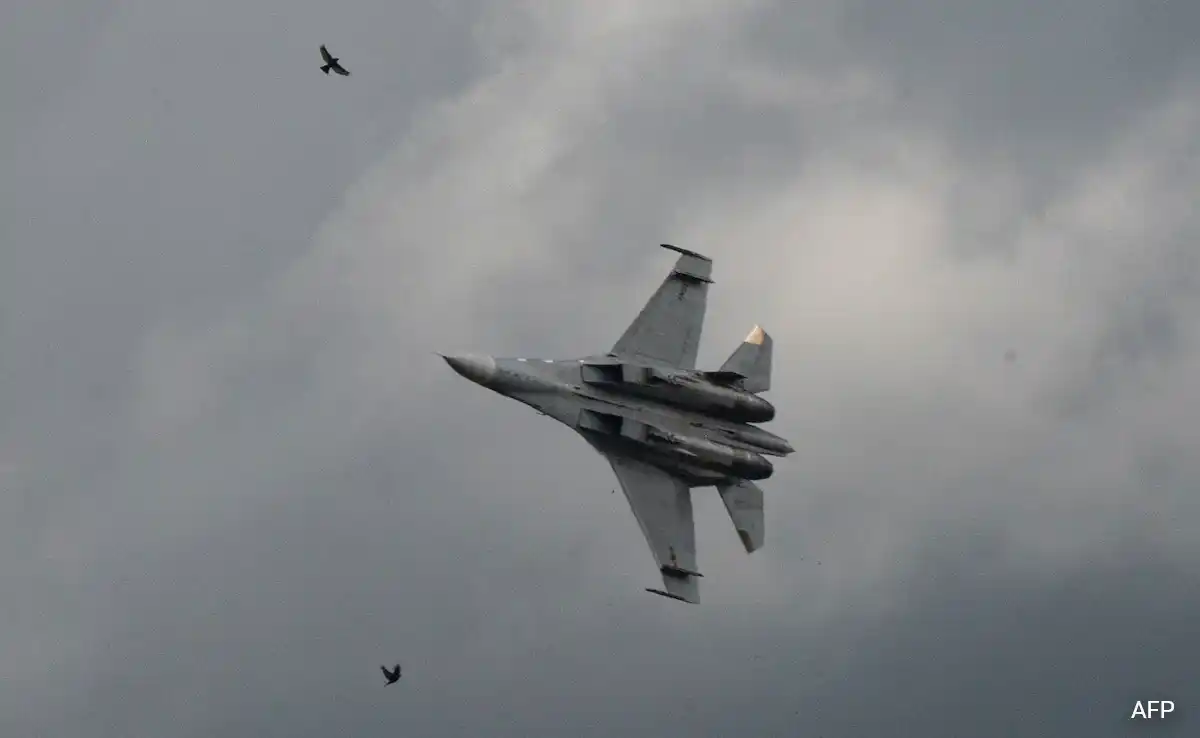
The U.S. military flew two Navy fighter jets over the Gulf of Venezuela on Tuesday. The flyover marks one of the closest American flights to the region’s disputed airspace in years and reflects intensifying regional tensions between Washington and Caracas.
U.S. flight-tracking sites first detected the pair of F/A-18 fighter jets as they crossed into the Gulf of Venezuela, a narrow region bordered by Venezuelan territory and long considered politically sensitive. According to a U.S. defense official, the jets remained strictly in international airspace but carried out more than 30 minutes of maneuvers over the water. The official described the event as a routine training flight, although the timing and proximity to Venezuelan territory quickly sparked debate among analysts monitoring military activity in the region.
Speaking anonymously due to the sensitivity of ongoing operations, the defense official declined to confirm whether the aircraft were armed but emphasized that the jets followed international aviation standards. The operation mirrored similar exercises intended to test range, readiness, and regional influence capabilities. The Pentagon maintained that the mission was not designed to provoke or escalate tensions, although many observers questioned whether the flight aligned with the administration’s increasingly assertive military posture in Latin America.
Authorities say the flyover is part of a bigger U.S. military buildup in the Caribbean and Pacific that is meant to break up drug-trafficking networks. In the past few months, the US has attacked ships that are thought to be linked to drug cartels. Since early September, 22 verified operations have killed at least 87 people. Donald Trump has said that ground actions may come next, but he hasn't said where or when these missions will happen. This lack of clarity has made both regional governments and international monitoring groups even more worried.
Venezuelan President Nicolás Maduro was very upset about the most recent trip. He said that the US is using drug-fighting operations as an excuse to try to get him out of office. Many times, Maduro has said that Washington is trying to bring down his government through military pressure, secret operations, and economic penalties. The U.S. government denies these claims, but the timing of the flyover has added to Maduro's long-standing story of outside aggression.
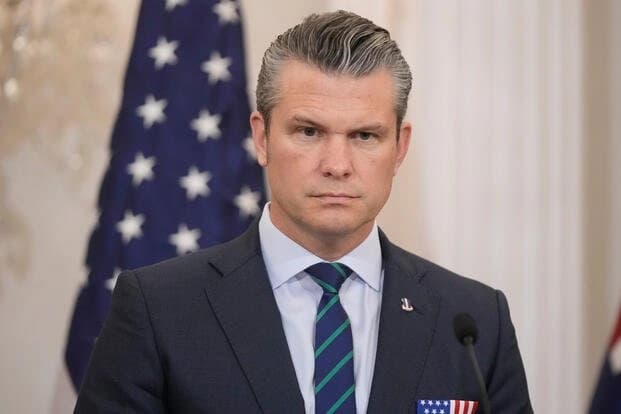
The Trump administration’s strike campaign is facing increasing pushback from lawmakers in Washington. Members of Congress are demanding full, unedited video footage of the maritime operations that resulted in dozens of deaths. Defense Secretary Pete Hegseth told lawmakers he is still considering whether to release the footage, citing national security concerns. He briefed congressional leaders in a classified setting alongside Secretary of State Marco Rubio and several high-ranking national security officials, further intensifying debates over transparency and oversight.
Military authorities have also taken notice of the matter, along with criticism from within the U.S. Adm. Alvin Holsey, who is leaving his job as head of U.S. Southern Command, talked to leaders of the Senate Armed Services Committee separately. Reports said that his talks included regional security, U.S. strategic goals, and the growing importance of military actions related to drug interdiction activities. Holsey's leaving happens at the same time as operations are speeding up in an area that hasn't seen this much U.S. action in decades.
President Trump said that the air and sea operations are necessary to keep drug traffickers out of the United States. He has declared in public that the campaign is part of a 'armed conflict' between U.S. military and criminals who work across borders. Some people say that this framing gives the president greater power and makes people wonder if the military activities being performed far from
Flightradar24, a popular site for tracking planes, reported that the Navy jets were the most-watched planes in the world at the time of Tuesday's flight, which generated a lot of press. Many individuals watched the mission live on the Internet. This highlights how current surveillance technologies has made military operations more open and closely scrutinized than they have ever been. People who witnessed it commented that the flyover looked more essential for strategy than just ordinary training because it was easier to see.
For a long time, Caracas and Washington have been fighting over the Gulf of Venezuela. Venezuela says it owns the gulf, but for decades, U.S. military officials and international legal experts have disagreed on how much of that claim is true. The most recent trip has brought up old arguments about maritime boundaries and territorial rights, especially since the two countries' ties are still very tense. There isn't much room for friendly resolution of these kinds of disagreements without diplomatic involvement, which makes it more likely that people will misunderstand each other during military operations.
Experts in the field say that even military drills that don't involve violence can have a big impact on politics around the world as tensions rise. The overflight makes things worse between the U.S. and Venezuela, and it makes people question how the U.S. handles foreign policy in all of Latin America. Experts are worried that things might get worse if diplomatic ties aren't restored. There are more soldiers on the ground, boat attacks are still happening, and people are getting worse at talking about politics. The U.S. tour shows that things are tense in the area and that the military is quickly changing how things are done.
Why the U.S. Flyover Near Venezuela Matters
A lot of people across the world are talking about the U.S. fighter planes flying over the Gulf of Venezuela. It has also made people more worried about the US's growing military posture in Latin America. Experts say the move shows how far the US can go in terms of operations, but it could also make things worse with a government that is already on alert about foreign intervention. The mission indicates that even regular military drills can mean a lot when they take place near places that are politically fragile or in dispute.
Analysts warn that the U.S. military's expanding role and the government's stronger anti-drug campaign could make it harder for diplomats to work together in the area. Venezuela's reaction reveals that these operations are now tied to political events in Venezuela and bigger questions of sovereignty. If American forces in the Caribbean and Pacific make a mistake or behave too aggressively, experts believe it might make things worse and make it difficult to negotiate a peaceful agreement in the future.

Jonathan Pierce
Jonathan Pierce is an opinion columnist from Boston focusing on democracy, civic institutions, and U.S. political identity.
• Related Posts

• POPULAR ARTICLES
FISA Collapse Risk Grows as Trump Backs Acting DNI Pulte
11 June, 2026 • POLITICS
U.S. Raises Concerns With ASML Over Reports of Advanced Chip...
19 June, 2026 • BUSINESS

Cowboys Sign Quinnen Williams to Record $105.9 Million Exten...
11 August, 2026 • SPORTS

What Americans Really Think About Why Political Violence Hap...
20 Jan, 2026 • OPINION

Trump Orders DOJ Investigation Into Oil Companies Over Alleg...
24 June, 2026 • INVESTIGATION
• SEARCH
• TRENDING


Nithya Raman Overtakes Spencer Pratt in LA Mayor Race
08 June, 2026
Powell’s Eight-Year Fed Chairmanship: A Brutal Test of Indep...
16 May, 2026

Cavaliers Blow 22-Point Lead as Knicks Steal Game 1 in Easte...
21 May, 2026