NY Attorney General Challenges Federal Prosecutor Legitimacy
This report by Venture Hive, an independent news organization, provides investigative journalism and in-depth analysis on major political developments shaping the United States.
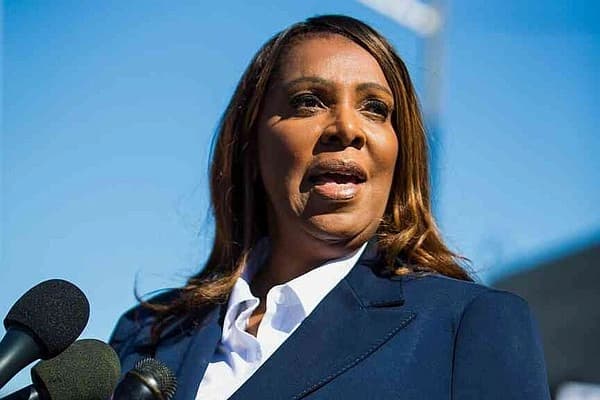
New York Attorney General Letitia James challenges the legitimacy of federal prosecutor John Sarcone in Trump-related investigations. James argues that the prosecutor’s appointment was unlawful and his actions overseeing federal probes are invalid.
During a hearing in federal court, James' legal team told the judge that Sarcone’s placement as acting U.S. attorney for the Northern District of New York circumvented the formal process normally required for filling the role. Her attorneys said the Justice Department used unusual administrative maneuvers to keep Sarcone in power after his temporary term expired, allowing him to continue issuing subpoenas and directing federal inquiries into James’ high-profile civil lawsuits. According to James, these actions reflect a broader effort to weaponize federal law enforcement against officials who have taken legal action against the former president.
James' primary objection centers on the claim that Sarcone never received the necessary approval from the U.S. Senate and was not reappointed by district judges once his interim term ended. Her attorney argued that the government relied on loopholes to sustain his authority, including designating him as a special attorney and subsequently elevating him to first assistant U.S. attorney. These steps, James’ team said, were strategically used to allow Sarcone to function as acting U.S. attorney without legal standing. She contends that any subpoenas issued under such circumstances amount to an abuse of power.
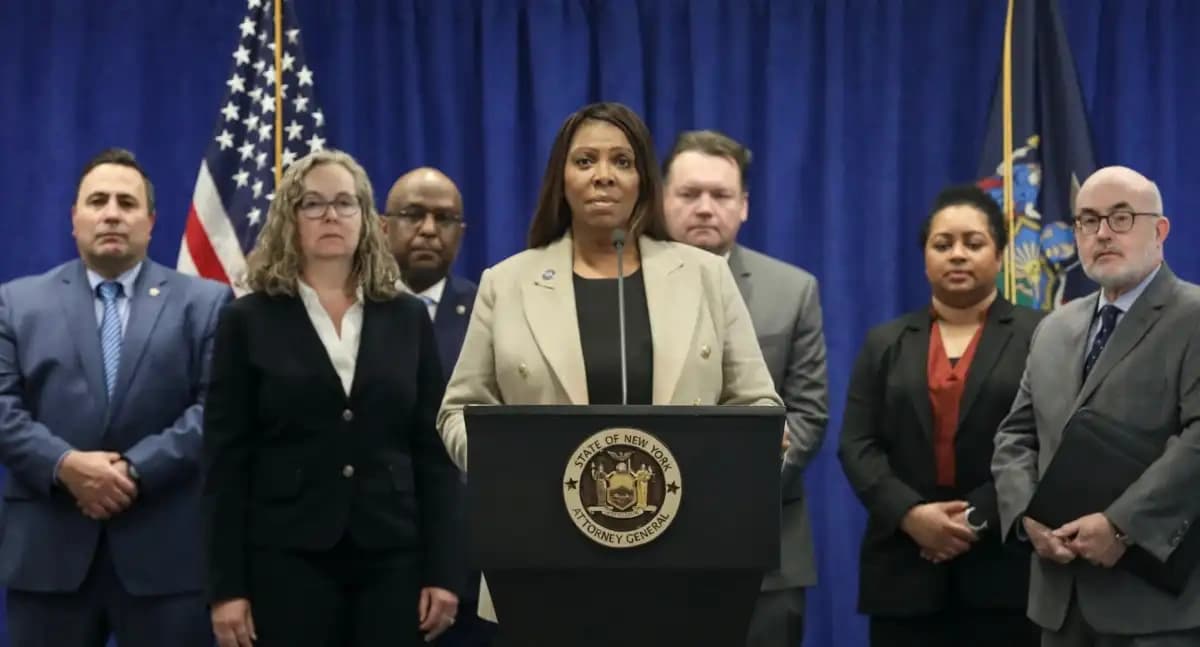
In court, attorneys representing James insisted that Sarcone should be barred from continuing the investigation, saying he had exercised federal authority that he was never legally granted. They urged the judge to invalidate subpoenas related to James’ civil fraud case against Donald Trump, as well as her lawsuit involving the NRA. James’ team characterized the federal inquiry as part of a pattern of retaliatory investigations targeting individuals and agencies viewed as political adversaries of the former president.
Lawyers for the Justice Department argued sharply against James’ position, saying Sarcone’s appointment was consistent with the attorney general’s authority to delegate federal responsibilities within the department. They described James' request as an attempt to obstruct a legitimate federal investigation and insisted that removing Sarcone would disrupt ongoing grand jury work. Prosecutors maintained that even if Sarcone were not legally recognized as acting U.S. attorney, he could still participate in investigative activities as a special attorney under the Justice Department’s supervision.
The conflict highlights larger national debates surrounding Trump-era federal appointments. Judges across several states have recently ruled that certain interim U.S. attorneys installed by the administration were serving in violation of federal tenure limits. These decisions have resulted in dismissals of cases and the disqualification of prosecutors in New Jersey, Virginia, California, and Nevada. James’ legal challenge taps into this broader trend, arguing that similar irregularities taint the legitimacy of Sarcone’s authority.
Sarcone’s background has also fueled concerns from James' office. He previously worked on Trump’s 2016 presidential campaign and later held a senior position at the General Services Administration during Trump’s presidency. Critics say those ties raise questions about whether his oversight of investigations involving Trump creates a conflict of interest. James' attorneys argue that his close alignment with the administration undermines the impartiality expected from a federal prosecutor handling highly sensitive political matters.
The dispute extends beyond New York, reflecting a national struggle over how interim federal prosecutors may be appointed and how long they can serve without Senate confirmation. Under federal law, replacements appointed by the attorney general can only serve for 120 days unless district judges take action to extend the appointment. In Sarcone’s case, judges in the Northern District of New York declined to reappoint him, prompting the Justice Department to rely on alternative administrative mechanisms that are now under legal scrutiny.
The ongoing battle has significant implications for the Trump-related investigations handled by James’ office. The subpoenas at issue seek documents related to allegations that Trump inflated his personal business assets and records connected to a lawsuit accusing top NRA executives of financial misconduct. If the court rules that Sarcone lacked the authority to issue subpoenas, parts of the federal investigation could be invalidated, creating possible delays or dismissals.
Legal experts say that the case's outcome could change the limits of state and federal enforcement power. If James wins, the ruling could make the Justice Department rethink how it chooses acting prosecutors and make it harder for the executive branch to get around Senate confirmations. On the other hand, if the court rules in favor of the Justice Department, it would give the attorney general more power to hire and assign prosecutors during investigations that are politically sensitive. People who are watching say that the decision could affect similar cases in many states.
As the case moves forward, both sides are preparing additional filings and legal arguments that will help determine the future of Sarcone’s role and the validity of his investigative actions. The judge’s decision is expected to have ripple effects not only on James’ disputes with federal investigators but also on the broader national debate over prosecutorial independence and the limits of executive appointment power. Regardless of the ruling, the clash marks an unusually direct confrontation between a state attorney general and federal prosecutorial authority.
Understanding the Legal Battle Over Federal Appointment Authority
The fight between Attorney General Letitia James and the Justice Department raises bigger questions about how federal prosecutors are chosen and how long they can work without the Senate's approval. Lawyers say this case could change how courts see the limits of executive power in politically charged situations and how federal control over state-level probes works.
Experts say that this choice could set important rules for how the federal and state governments should deal with problems. This is because there are more and more appointment disputes in the US. The choice might help you understand what prosecutors can and can't do. It might also help you figure out if the Trump administration's ways of fixing problems with the federal government will still be legal in the future. It could also change how courts see the limits of presidential power in politically sensitive cases in the future.

Olivia Ramirez
Olivia Ramirez is an investigative journalist from Los Angeles covering corruption, public accountability, and federal oversight.
• Related Posts
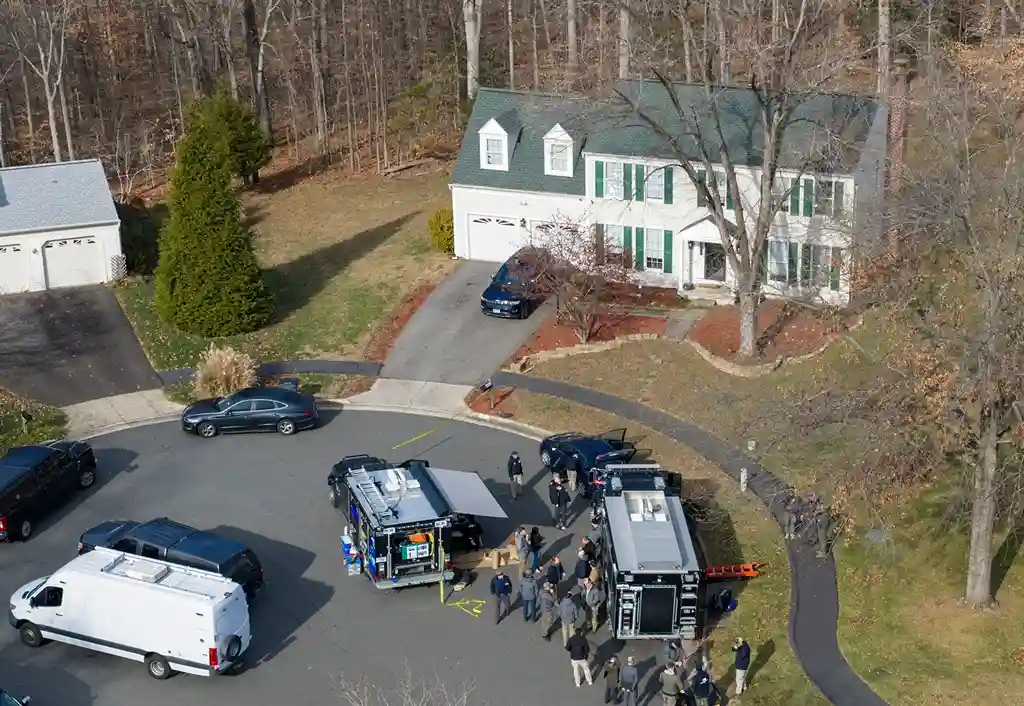
Investigators Search Burned Montana Home After Eight Family Members Are Killed
2.Trump Orders DOJ Investigation Into Oil Companies Over Alleged Gas Price Gouging
3.Federal Judge Receives Private Reprimand Over Relationship With Atlanta Police Department Commander
4.Three Dead, 14 Injured in Austin Sixth Street Shooting; Suspect Killed by Police
• POPULAR ARTICLES
FISA Collapse Risk Grows as Trump Backs Acting DNI Pulte
11 June, 2026 • POLITICS
U.S. Raises Concerns With ASML Over Reports of Advanced Chip...
19 June, 2026 • BUSINESS

Cowboys Sign Quinnen Williams to Record $105.9 Million Exten...
11 August, 2026 • SPORTS
What Americans Really Think About Why Political Violence Hap...
20 Jan, 2026 • OPINION

Trump Orders DOJ Investigation Into Oil Companies Over Alleg...
24 June, 2026 • INVESTIGATION

• SEARCH
• TRENDING
Nithya Raman Overtakes Spencer Pratt in LA Mayor Race
08 June, 2026
Powell’s Eight-Year Fed Chairmanship: A Brutal Test of Indep...
16 May, 2026
Cavaliers Blow 22-Point Lead as Knicks Steal Game 1 in Easte...
21 May, 2026