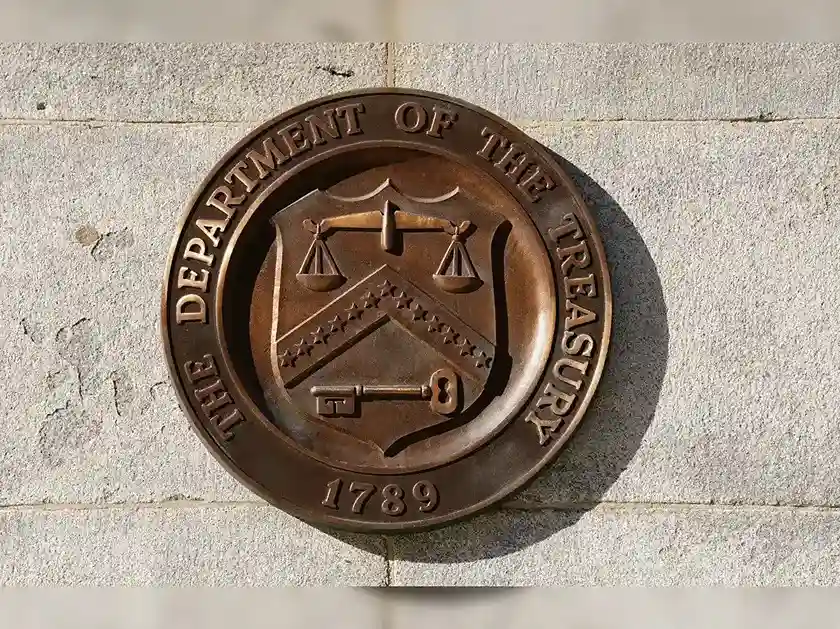
Treasury Seeks Expanded Authority to Strengthen AML Oversight
This report by Venture Hive, an independent news organization, provides investigative journalism and in-depth analysis on major political developments shaping the United States.
The U.S. Treasury Department seeks expanded authority to strengthen AML oversight and enforcement. Treasury seeks to give FinCEN more authority to monitor banks, expand oversight, and strengthen anti-money-laundering rules. This AML initiative ensures that banks comply with regulations, closing enforcement gaps, and protecting the U.S. financial system from illicit activities.
Under the proposed structure, FinCEN would be able to overrule or replace decisions made by other financial regulators if they think there might be money laundering crimes. The Treasury Department said that the current system, which depends on a lot of different departments to impose penalties or take corrective action, can sometimes make enforcement stop or monitoring be inconsistent. The agency wants to make it easier to investigate crimes and close the gaps that criminals use to move illegal money through the U.S. financial system by putting all of the important enforcement power in one place.
Senior Treasury officials think the idea came up because the federal government is still looking into big financial crimes involving international drug trafficking gangs and transnational crime groups. These investigations have shown that banks that were warned for not following the rules were able to avoid big fines because of problems with regulators or delays in the process. The department believes that giving FinCEN more clear authority to step in will help prevent these issues from happening and make sure that institutions are held accountable on time.
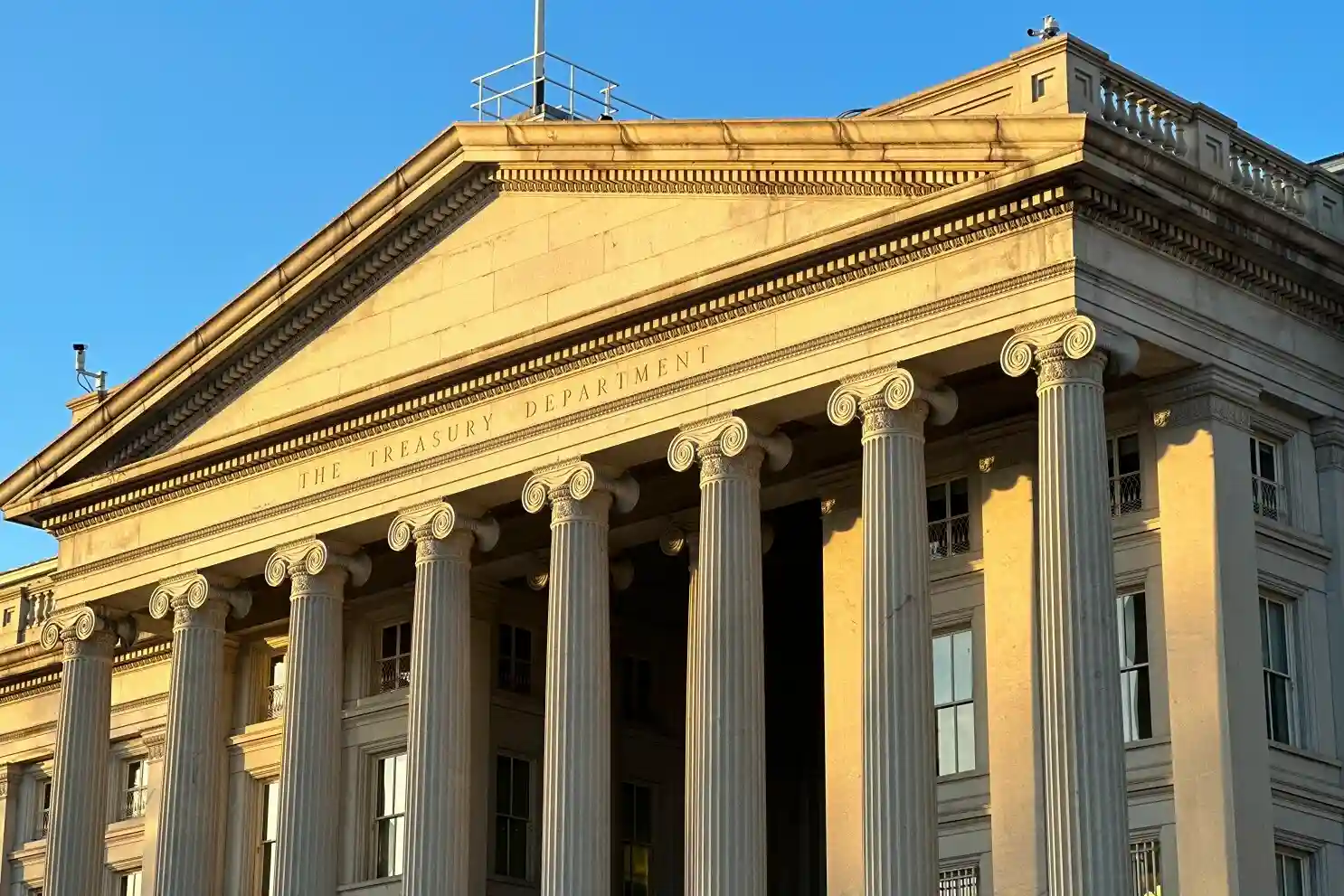
The project shows that government agencies are under more and more pressure to fix problems in the financial system that let billions of dollars in illegal money go unnoticed every year. The Treasury has said that old ways of enforcing the law don't work anymore because of new financial technology, payment systems that work across borders, and business ownership structures that don't reveal who owns them. The agency wants to give FinCEN more power so that it can deal with new financial risks in a stronger and more coordinated way.
The authorities used drug cartels, fraud networks, and shell firms that could obscure where their money came from by spreading transactions across many institutions to prove their case. Treasury officials think that if the federal government got more involved, it could be able to stop these scams sooner. This would make it less likely that filthy money would become a normal part of the economy. They claim that these adjustments are necessary to keep the U.S. banking sector and the country safe.
The Office of the Comptroller of the Currency and the Federal Reserve are two examples of banking authorities that have not openly criticized the proposal but are looking into what it might mean. However, other leaders in the business are worried that giving FinCEN the power to override could lead to confusion about the rules or too much oversight. Officials from the Treasury say that the idea is meant to improve collaboration, not weaken current agencies. They stress that FinCEN will only step in when there are major compliance breaches that won't go away.
Anti-money laundering experts and former federal officials say that this idea is one of the biggest changes in how the government enforces the law in more than ten years. They say that FinCEN has mostly been an agency that collects and analyzes data and intelligence rather than one that enforces laws on the ground. They say that giving it more power might help different ways of keeping an eye on things work together and make it easier to enforce rules in high-risk cases. Some experts also believe that the move could make banks and other financial institutions less likely to skip important compliance tasks.
The suggestion also comes at a time when the federal government is putting more effort into finding money that is linked to the trafficking of opioids, the distribution of fentanyl, and cybercrime activities that are supported by the state. Officials from the Treasury say that money laundering methods are getting more advanced, so we need better ways to enforce the law. Some of these methods involve using cryptocurrency transactions, international middlemen, and complicated schemes to launder money through trade. These problems are getting worse, which makes the need for reform even more urgent.
If the new enforcement framework is put in place, FinCEN will be able to make sure that banks follow the regulations more easily. They could be in trouble or be sent to the Justice Department if they don't. Experts say that training individuals these kinds of skills will not only make them more responsible, but it might also make firms spend more on technology to keep an eye on things, search for suspicious activities, and make sure they are obeying the rules. Experts in the sector suggest that banks and other financial institutions should pay particular attention to how the new requirements might affect how they disclose and audit their work.
The Treasury Department has opened a time for people to comment. Banks, advocacy groups, and regulatory agencies can give their opinions on the idea during this time before it goes into effect. Supporters say that the reform will make the fight against illegal finance more consistent across the country and speed it up. But some people are worried that giving one agency too much power might mean that it needs more oversight to make sure it doesn't abuse its power. Even though people have different opinions about the plan, most experts agree that it is a big step toward making the country's defenses against money laundering stronger.
The idea is likely to spark a bigger conversation about the future of financial regulation in the US as the rulemaking process moves forward. The result could change how banks handle compliance violations and shift the balance of power between federal regulatory agencies. People at the Treasury say that the program shows a long-term commitment to closing loopholes that criminals use and making sure the U.S. financial system is ready for new problems.
Why the Treasury’s Anti-Money-Laundering Proposal Matters
People are getting more and more worried about gaps in the country's anti-money-laundering system, which is why the Treasury wants to give FinCEN more power. Officials say that centralized monitoring needs to be stricter because digital currencies, international trafficking rings, and complicated financial deals are becoming more dangerous. The goal of the reform is to make it easier for the federal government to step in more quickly when banks don't follow the rules all the time.
Financial experts say that this idea could change how banks check for compliance and look for suspicious activities. More oversight may force institutions to buy better monitoring systems and do more thorough internal audits. The Treasury wants to create a single enforcement framework that will protect the U.S. financial system from increasingly complex illegal finance schemes.

Olivia Ramirez
Olivia Ramirez is an investigative journalist from Los Angeles covering corruption, public accountability, and federal oversight.
• Related Posts
Investigators Search Burned Montana Home After Eight Family Members Are Killed
2.Trump Orders DOJ Investigation Into Oil Companies Over Alleged Gas Price Gouging
3.Federal Judge Receives Private Reprimand Over Relationship With Atlanta Police Department Commander
4.Three Dead, 14 Injured in Austin Sixth Street Shooting; Suspect Killed by Police
• POPULAR ARTICLES
FISA Collapse Risk Grows as Trump Backs Acting DNI Pulte
11 June, 2026 • POLITICS
U.S. Raises Concerns With ASML Over Reports of Advanced Chip...
19 June, 2026 • BUSINESS
Cowboys Sign Quinnen Williams to Record $105.9 Million Exten...
11 August, 2026 • SPORTS

What Americans Really Think About Why Political Violence Hap...
20 Jan, 2026 • OPINION

Trump Orders DOJ Investigation Into Oil Companies Over Alleg...
24 June, 2026 • INVESTIGATION

• SEARCH
• TRENDING

Nithya Raman Overtakes Spencer Pratt in LA Mayor Race
08 June, 2026
Powell’s Eight-Year Fed Chairmanship: A Brutal Test of Indep...
16 May, 2026

Cavaliers Blow 22-Point Lead as Knicks Steal Game 1 in Easte...
21 May, 2026